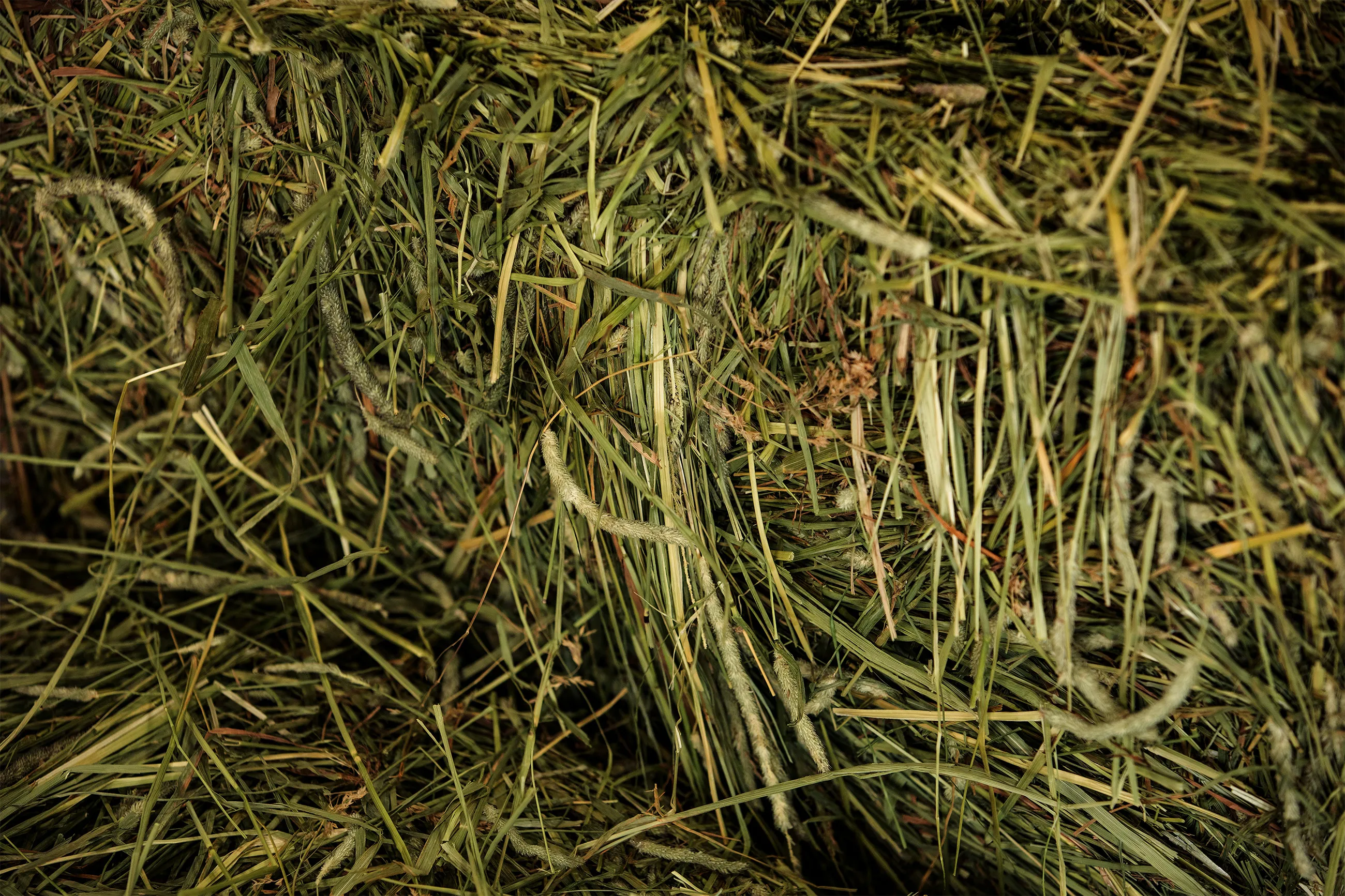
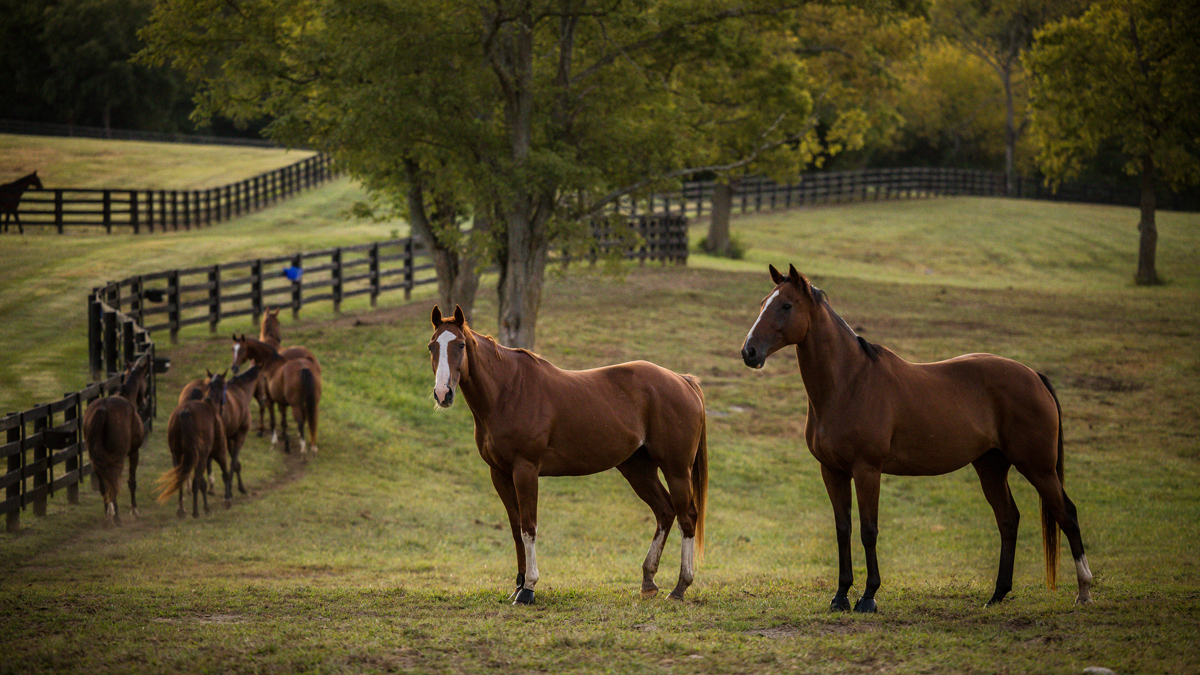
Why horse turnout, slow feeding, and knowing what's in your hay can help build a better forage program when pasture is limited.
If you have spent much time around horses, you have probably watched one work its way across a pasture without thinking much about what is really happening. A few bites of grass, a few steps, a few more bites, then a walk toward water or another horse. Over the course of a day, all of those little movements add up. The horse is eating, moving, foraging, and interacting with its surroundings all at the same time.
That is part of what makes pasture so useful, but good horse care does not always come with acres of green grass. Winter, drought, limited acreage, overgrazed fields, or the need to control grass intake can all push horses onto dry lots or sacrifice areas. The good news is that turnout and pasture are not the same thing. A horse can still spend time outside, move around, and have access to forage even when hay is doing most of the feeding.
Pasture Does More Than Feed a Horse
Earlier this year, our Anderson Hay team attended the 28th Kentucky Equine Research Equine Health and Nutrition Conference in Ocala, Florida. One presentation looked at how turnout and exercise affect the way young horses develop.
Chris Rogers, Ph.D., of Massey University shared research comparing stall-raised and pasture-reared foals. The pasture-raised horses showed greater development in bone and other tissues, and GPS studies showed that larger paddocks led mares and foals to travel farther each day. In simple terms, growing horses benefit from having room and a reason to move.
KER has also covered this in Training and Bone Development. The takeaway is not that every horse must live on pasture. It is that horses were made to move, and grazing naturally gives them a reason to do it.
Turnout Does Not Have to Mean Unlimited Grass
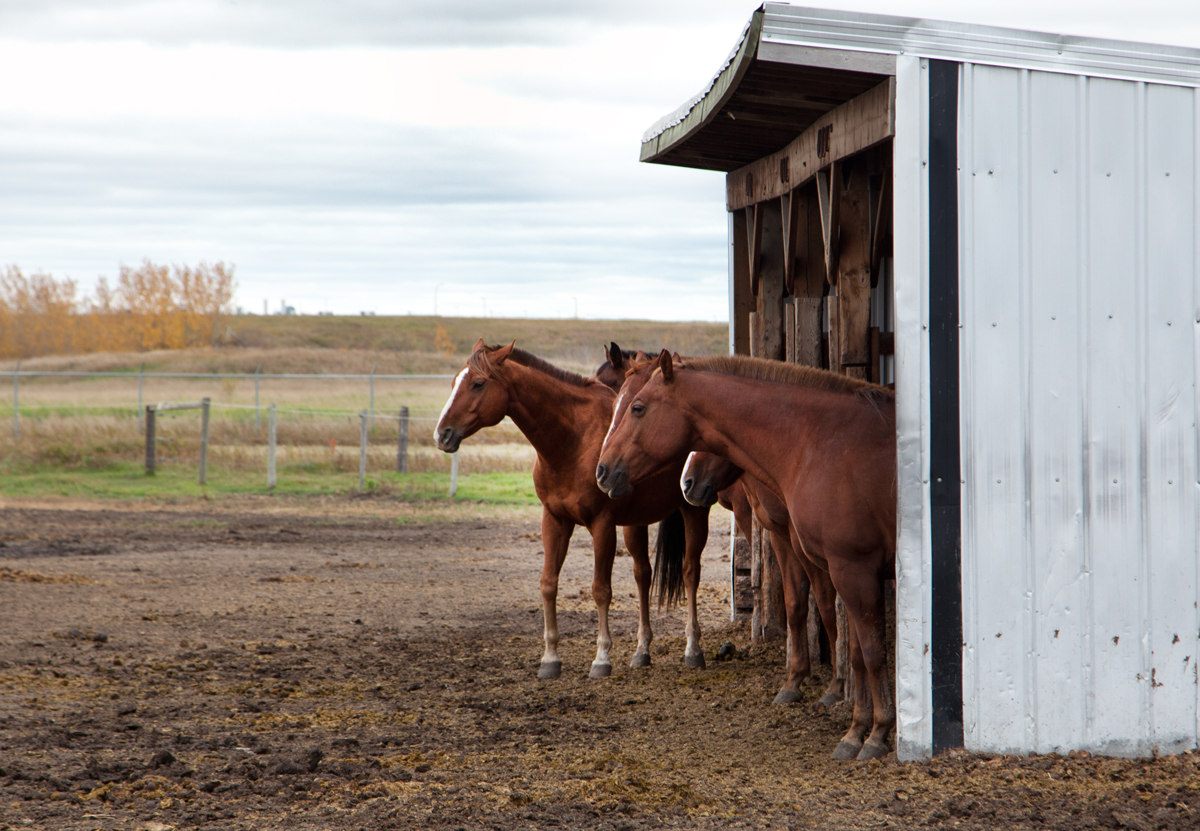
A horse can be turned out in a dry lot, sacrifice paddock, track system, or other grass-free area and still have room to walk, rest, interact with other horses, and spend time outside. KER talks about this in Grazing for Horses with Chronic Laminitis, where dry-lot turnout is used to keep horses moving while grass intake is controlled.
The same idea applies well beyond metabolic horses. You may be protecting pasture through a wet winter, dealing with drought, or simply working with limited acreage. In all of those situations, turnout and controlled forage can work together. The next question is how to keep hay available long enough that the horse does not finish it all at once.
Slow Feeding Horses Is Really About Time
Most of us have seen a horse make quick work of a pile of hay. A slow feeder changes that by making the horse take smaller bites and spend more time working through the same forage. It does not automatically mean more hay. It means the hay lasts longer.
Kentucky Equine Research lists longer feeding time as one of the main benefits of slow feeders in Benefits and Caveats Associated with Slow Feeders in Ponies. University of Minnesota research showed the same thing: horses eating unrestricted hay finished a meal in about 3.2 hours, while small-hole slow-feed nets stretched that same meal to about 6.5 hours.
That is why we like to explain slow feeding this way: the goal is often not more hay. It is more time with hay.
Does a Slow Feeder Really Simulate Grazing?
In one important way, yes. A slow feeder can make a horse work for smaller bites over a longer period, which is much closer to the way a horse grazes than standing over a loose pile and eating it quickly. It does not turn a dry lot into a pasture, and it does not replace the movement that comes from walking across a field, but it can help copy the feeding pattern of grazing.
That is a useful way to think about it. Turnout gives the horse room to move. Slow feeding stretches out forage time. Good hay supplies the nutrition. The goal is not to perfectly recreate pasture. It is to bring more of that natural pattern into the way we manage horses today.
Making Slow Feeding Practical for a Barn Full of Horses
For one or two horses, slow feeding may be as simple as filling a few hay nets. When you are feeding several horses every day, the amount of time spent moving hay, opening bales, filling feeders, and cleaning up waste adds up fast. That is where the way a bale is built can make a real difference.
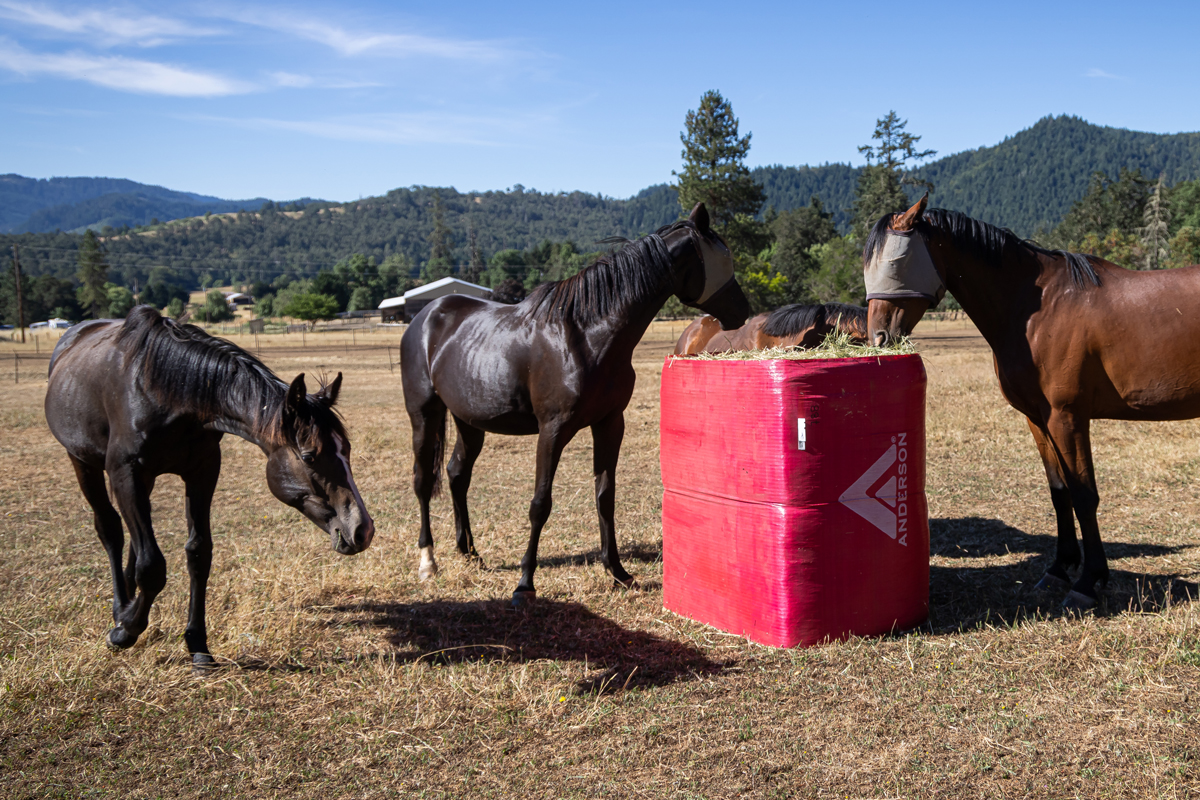
Anderson MAG Bales are approximately 850-pound, double-compressed bales available in Timothy, Orchard Grass, and Alfalfa. The forage is compressed into a sleeve, and that design gives the bale a unique advantage: when the bale is stood on end, it can act as its own slow feeder. Because the hay is packed tightly, horses have to work at pulling smaller amounts of forage out instead of grabbing large loose chunks. That slows them down and helps create a feeding pattern that is closer to grazing.
We have tried this on our own farms and with other farms feeding MAG Bales, including KB Sporthorses. With four horses working on the bale, we have seen very little waste, and the compression continues to limit how much hay they can pull out at once even as they work their way down toward the bottom. That makes MAG useful even for farms that do not already own a large slow feeder.
There is some flexibility in how the bale can be used, too. Because the forage is divided through the middle, many farms cut the MAG Bale in half and stand up two shorter sections. That can work especially well for smaller animals or when you want forage available in two locations. The bale can also be cut and placed in a large hay net or traditional bulk slow feeder if that setup works better for the farm.
For the right operation, that can mean less time carrying small bales to the paddock, less waste, and a larger supply of forage available for horses spending more time outside. At KB Sporthorses, Kellen and Rachel Brady use MAG Bales at home with their young Warmblood show jumpers and Anderson Compressed Bales when they travel. It is a good example of choosing a forage format that fits the way the horses are managed.
A Big Slow Feeder Does Not Automatically Mean More Movement
There is one thing a slow feeder cannot do by itself: make a horse walk around the paddock. KER points this out in Horse Care: Benefits of Winter Turnout. Horses may actually move less if all of their hay is in one spot, so it helps to think about where forage, water, shelter, and gates are placed.
This is also where splitting a MAG Bale in half can be useful. Two feeding points may help spread horses out and give lower-ranking animals better access. Every herd is different, but the basic idea is simple: MAG can help solve the forage and labor side of the equation, while good turnout design helps with movement and access.
Slow Feeding Still Starts With the Horse in Front of You
There is no one slow-feeding setup that is right for every horse. An easy keeper is different from a growing Warmblood, a lactating mare, a senior horse, or an athlete in heavy work. Some horses do well with forage available for most of the day. Others need their total intake watched closely.
That is why slow feeding is not a "put the bale out and forget about it" system. Body condition, total intake, herd dynamics, and the needs of each horse still matter. And there is one thing no slow feeder can change: what is actually in the hay.
If Hay Is Doing More of the Work, Know What You're Feeding
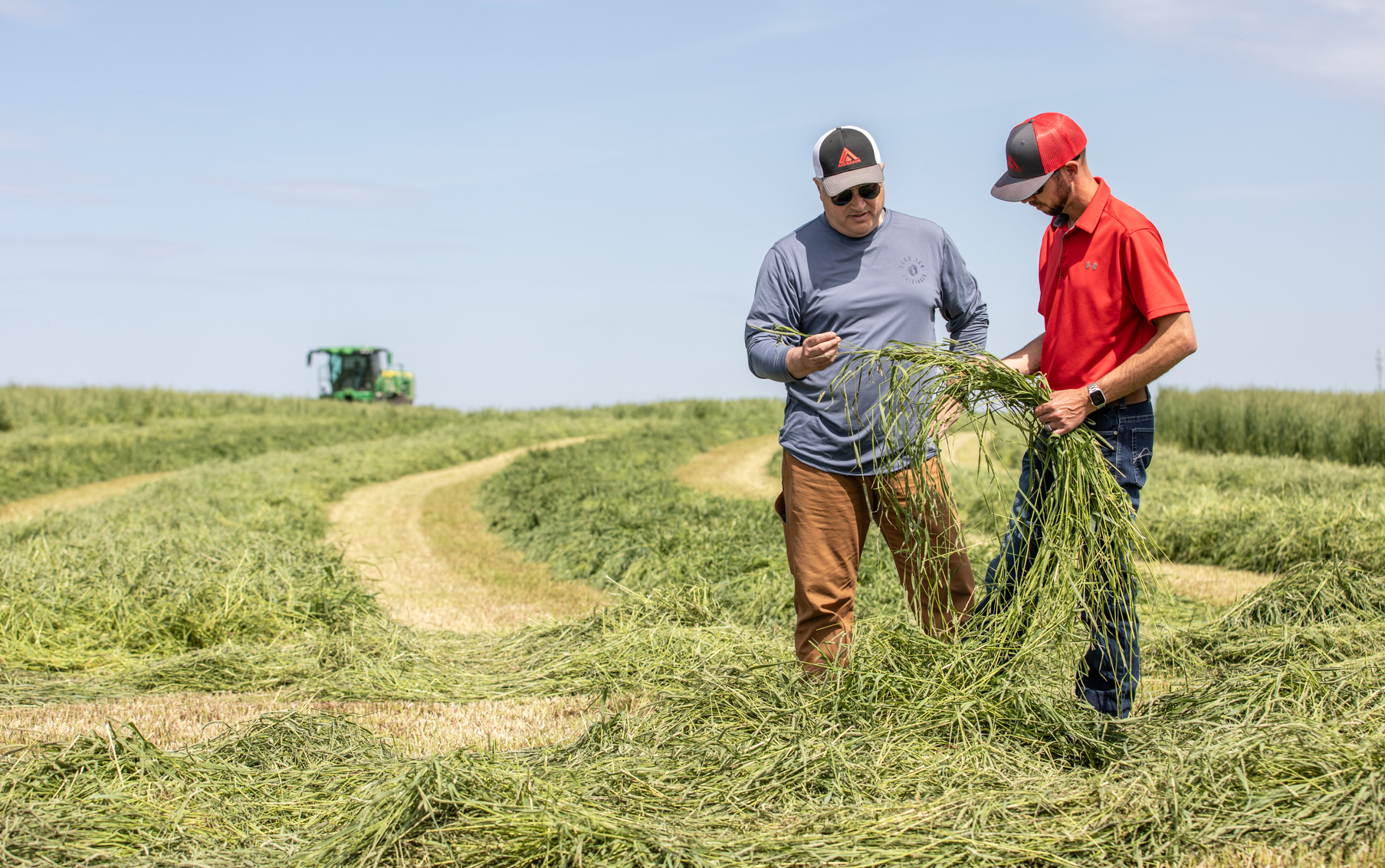
When hay replaces most or all of the pasture, knowing what is in that hay becomes even more important. Two loads of Timothy, Orchard Grass, or Alfalfa can look very similar and still have different levels of protein, fiber, energy, sugar, starch, and minerals.
You can learn a lot by looking at a bale, smelling it, and feeling the stems and leaves, but none of us can look at hay and know the numbers with certainty. KER makes the same point in Determining Hay Quality for Horses: visual inspection is useful, but laboratory testing tells you what is really in the forage.
That is where Anderson's Traceability Program comes in. Every finished production stack is cored, tested, tagged, and assigned its own serial number. Customers can use the lot information on their hay to pull up the available forage analysis tied to that product.
If hay is going to make up a bigger part of your horse's day, it makes sense to know more about it. A MAG Bale can make feeding easier. Slow feeding can help the hay last longer. Traceability helps you know what you are feeding.
Bringing the Pieces Together
There is no perfect turnout system and no single way every horse should be fed. Some horses thrive on pasture. Others do better on a dry lot with carefully managed hay. One barn may use several small hay nets, while another may stand up a MAG Bale and let the compression do the slow-feeding work.
The important thing is to look at the whole picture. Turnout affects movement. Slow feeding affects how long forage lasts. Feeder placement affects how much horses move and how easily every horse in the group can eat. Hay quality affects what they are getting with every bite.
For us, it comes down to three simple ideas: move more, forage longer, and know what you're feeding. Pasture may be the easiest way to bring those pieces together, but when pasture is not the answer, good management can still get us a lot closer.
Related Anderson Journal Articles
- Life Behind the Bale: KB Sporthorses
- Traceability at Anderson Hay: From the Field to Your Barn
- How Much Hay Will You Need This Winter?
- 7 Signs Your Hay May Not Be Meeting Your Horse's Needs
- Different Types of Hay and What Animals They Are Best Suited For
Frequently Asked Questions
Is horse turnout the same thing as pasture?
No. Turnout simply means giving a horse time outside of a stall in an appropriate area. That may be a grass pasture, but it can also be a dry lot, sacrifice paddock, track system, or other turnout area. This can be especially useful when grass intake needs to be controlled or pasture is unavailable because of weather, acreage, or seasonal conditions.
What is slow feeding for horses?
Slow feeding is a way of limiting how quickly a horse can consume hay while still allowing regular access to forage. Slow-feed nets, boxes, and bulk feeders use smaller openings or other forms of controlled access so horses take smaller bites and spend more time eating the same amount of hay.
Does slow feeding simulate grazing?
Slow feeding can help simulate the feeding pattern of grazing by making horses take smaller bites over a longer period. It does not fully recreate pasture because the horse is not walking across a field or selecting fresh plants, but it can make hay last longer and encourage a more natural pace of eating.
Should horses have hay available all day?
Many horses benefit from avoiding long periods without forage, but that does not mean every horse should have unlimited calories available around the clock. Easy keepers, horses with metabolic concerns, and animals on weight-control programs may need total forage intake measured carefully. Slow feeding can be one way to extend forage time while still managing the amount offered. Work with your veterinarian or equine nutritionist when a horse has special dietary needs.
Can horses be turned out on a dry lot and still have a healthy forage program?
Yes. A dry lot can provide space for turnout and movement while hay supplies the forage that pasture would normally provide. The quality and amount of hay, access to clean water, feeder design, footing, shelter, and group dynamics all need to be considered as part of the overall management plan.
Can a large bale be used in a slow feeder for horses?
Yes. A large bale can be placed in a bulk slow feeder or hay net, but an Anderson MAG Bale can also work as its own slow feeder when stood on end. Because the hay is double compressed inside the sleeve, horses have to pull out smaller amounts at a time instead of grabbing large loose chunks.
What is an Anderson MAG Bale?
An Anderson MAG Bale is an approximately 850-pound double-compressed bale available in Timothy, Orchard Grass, and Alfalfa. When stood on end, the compression of the bale can slow down how quickly horses pull forage from it, allowing the bale to work as its own slow feeder. It can also be cut in half or placed inside a traditional bulk feeder or large hay net.
How can I encourage horses to move more during turnout?
Think about the layout of the entire turnout area rather than only the feeder. The location of forage, water, shelter, gates, and other resources can influence how much horses travel. Depending on the property and herd, separating feeding and watering areas or using multiple safe feeding points may encourage more movement while also improving access for lower-ranking horses.
Why does hay testing matter in a slow-feeding program?
A slow feeder changes how quickly a horse eats hay, but it does not change the nutritional content of that hay. If hay is supplying most of the diet, a forage analysis can help you understand protein, fiber, energy, sugars, starch, and mineral values so the forage can be matched more appropriately to the horse's needs.
How does Anderson Hay Traceability help horse owners?
Anderson Hay cores and tests every finished production stack and assigns it a unique serial number. Customers can use the lot information associated with their hay to access the available forage analysis through Anderson's Traceability system, providing more information about the actual hay they are feeding rather than relying only on a generic average for that forage species.