Estimate your winter hay needs, compare bale quantities, and plan ahead with our free Winter Hay Planner.
It may seem like winter is still a long way off, but if you own horses or livestock, now is actually one of the most important times of the year to start planning for it. Across much of the country, hay harvest is still underway, barns are beginning to fill, and producers are deciding how much forage they'll need to carry their animals through the months ahead. Before long, those warm summer days will give way to shorter days, dormant pastures, and the familiar routine of feeding hay every day.
The challenge is knowing how much to put away. Buy too little and you may find yourself searching for hay during the coldest part of the year when inventories are tighter and prices are often higher. Buy too much and you may wonder whether it will still be good next season. Fortunately, with a little planning, estimating your winter forage needs is much easier than most people think.
Whether you're feeding horses, cattle, sheep, or goats, one thing remains true: forage is the foundation of every feeding program. Hay supplies the majority of the fiber, energy, and nutrients your animals depend on throughout the winter months. Grain, supplements, and concentrates all have an important place, but they're designed to complement quality forage, not replace it. That's why winter planning isn't simply about filling the barn. It's about making sure you have enough of the right hay to support your animals from the first feeding of fall until pastures are truly ready to take over again in the spring.
In this guide, we'll show you a simple way to estimate your winter hay needs, explain why hay quality matters just as much as quantity, and share a few planning tips that can help you head into winter with confidence.
Forage is the Foundation of Every Diet.
One of the biggest misconceptions in livestock feeding is that winter nutrition begins with grain. In reality, it begins with forage. Whether you're caring for a performance horse, a beef cow, a flock of sheep, or a herd of goats, hay should provide the majority of the daily diet throughout the winter. Everything else is designed to supplement that foundation.
That makes forage one of the most important investments you'll make all year. Feeding enough hay is certainly important, but feeding the right hay is equally critical. Two bales may look nearly identical while providing very different levels of digestible energy, protein, fiber, and sugar. Simply feeding more hay isn't always the answer if the forage itself doesn't meet your animals' nutritional needs.
That's one of the reasons we've invested so heavily in hay testing and our Traceability Program. Understanding exactly what's in your hay allows you to make better feeding decisions instead of relying on appearance alone. If you'd like to learn more about why forage quality matters, we invite you to read 7 Signs Your Hay May Not Be Meeting Your Horse's Needs, where we explore how quality forage influences everything from body condition to performance.
Winter Feeding Useually Starts Earlier Than You Think.
Many people think of winter feeding as something that begins with the first snowfall. In reality, most livestock owners begin feeding hay long before winter officially arrives. As pasture growth slows during late summer and early fall, hay often becomes an increasingly important part of the diet. Depending on where you live, that transition may begin in September or October and continue well into April or even May.
One of the most common planning mistakes is calculating hay needs only through the winter months. Your feeding season doesn't end when the calendar says spring has arrived. It ends when your pasture is producing enough quality forage to support your animals again. Continuing to feed hay during that transition helps protect digestive health while allowing pastures time to recover and establish healthy growth. We take a closer look at this process in Why Hay Still Matters When Spring Grass Arrives, where we explain why gradually transitioning back to pasture benefits both your animals and your fields.
Estimating Your Winter Hay Needs
One of the simplest ways to estimate winter hay requirements is by using body weight. Most livestock nutritionists begin by estimating daily forage intake as a percentage of body weight, then adjusting that amount based on age, production stage, workload, body condition, forage quality, and weather conditions. While every animal is unique, these calculations provide an excellent starting point for planning purposes.
The examples below assume approximately a 180-day feeding season. If your feeding season is longer or shorter, simply adjust the calculations using the formula provided beneath each table.
Horses
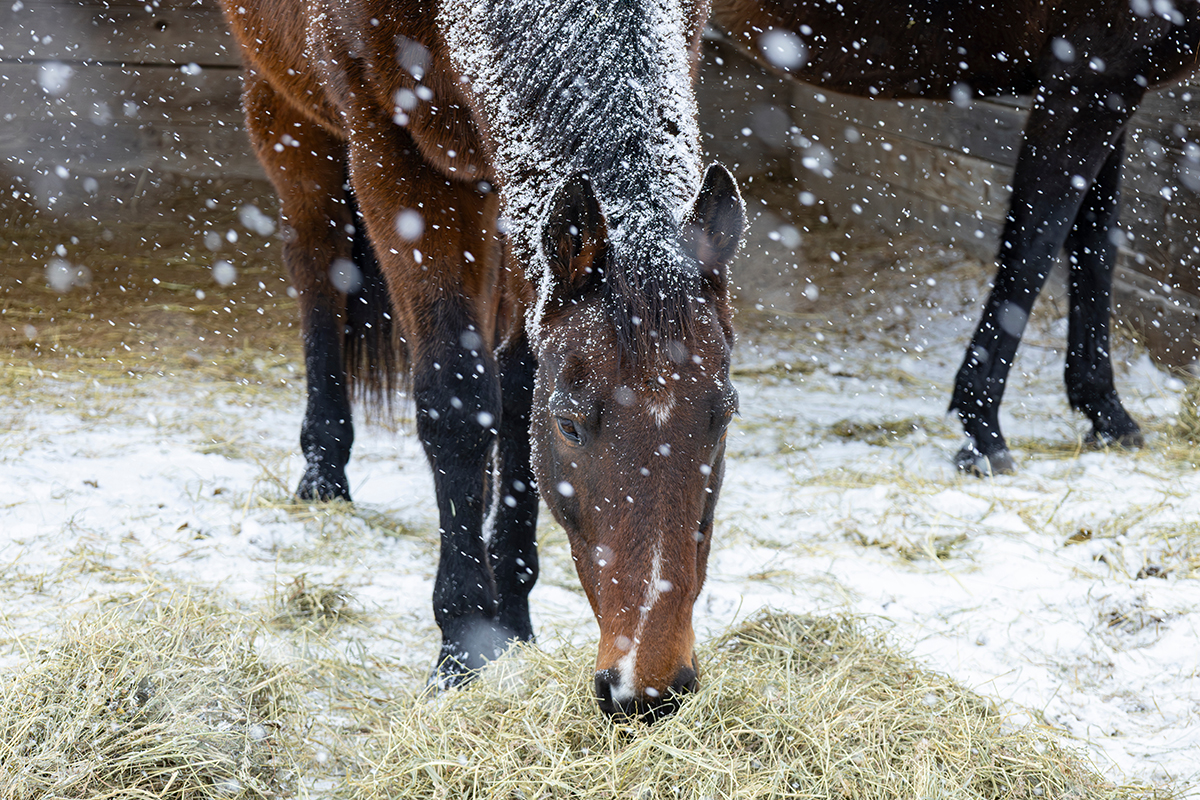
Most mature horses consume between 1.5% and 2.5% of their body weight in forage each day, with approximately 2% serving as a practical planning estimate for many adult horses. Performance horses, broodmares, senior horses, growing horses, and horses with special nutritional needs may require adjustments, but this provides a reliable starting point for estimating winter hay requirements.
It's also important to remember that these calculations assume you're feeding quality forage. Twenty pounds of soft, leafy hay doesn't provide the same nutrition as twenty pounds of coarse, overmature forage. Understanding what you're feeding allows you to build a more balanced feeding program without simply guessing. If you're wondering which type of hay may be the best fit for your horse, our article Different Types of Hay and What Animals They Are Best Suited For compares the most common forage species and explains where each one fits.
Beef Cattle
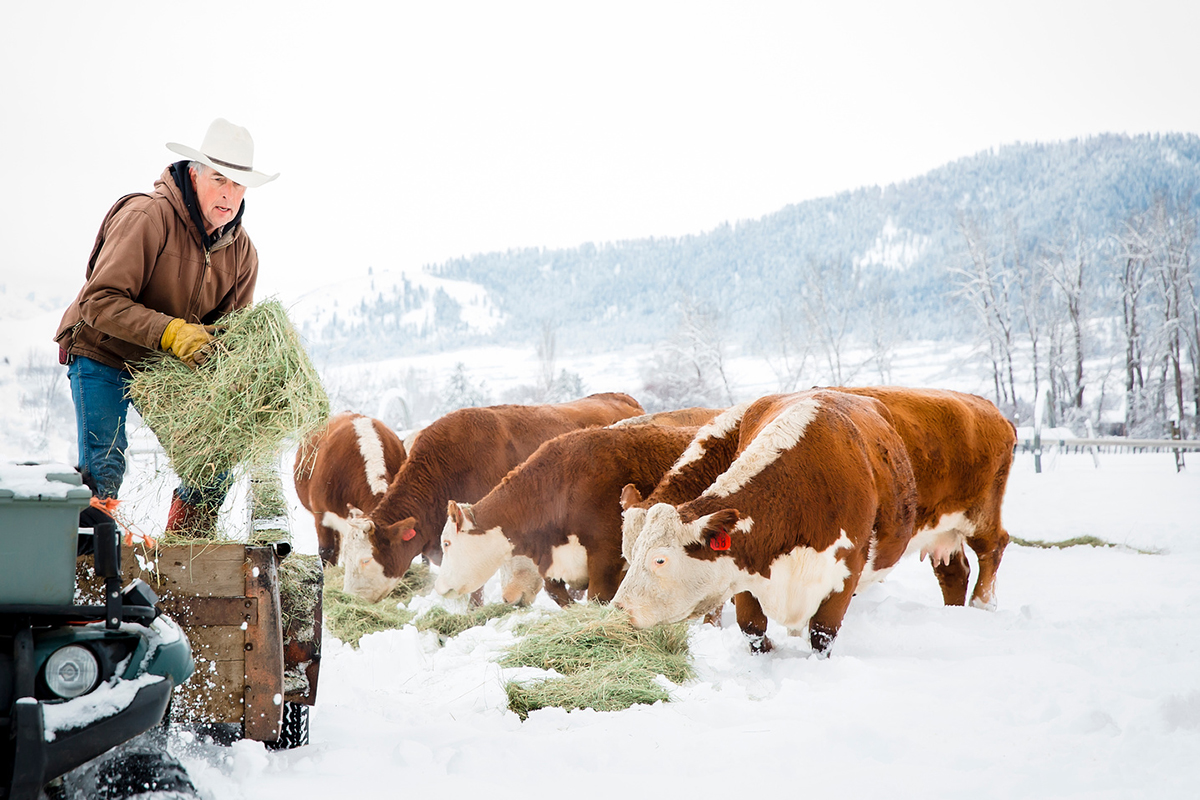
Beef cattle generally consume between 2% and 3% of their body weight in forage each day, with actual intake varying depending on forage quality, environmental conditions, body condition, and stage of production. Cows in late gestation and lactation often require higher quality forage than dry cows because of their increased nutritional demands.
Providing adequate hay throughout the winter helps maintain body condition, supports reproductive performance, and prepares cows for the upcoming calving season. Matching the quality of your forage to the nutritional needs of your herd is often just as important as determining how many tons you'll need to purchase.
Sheep
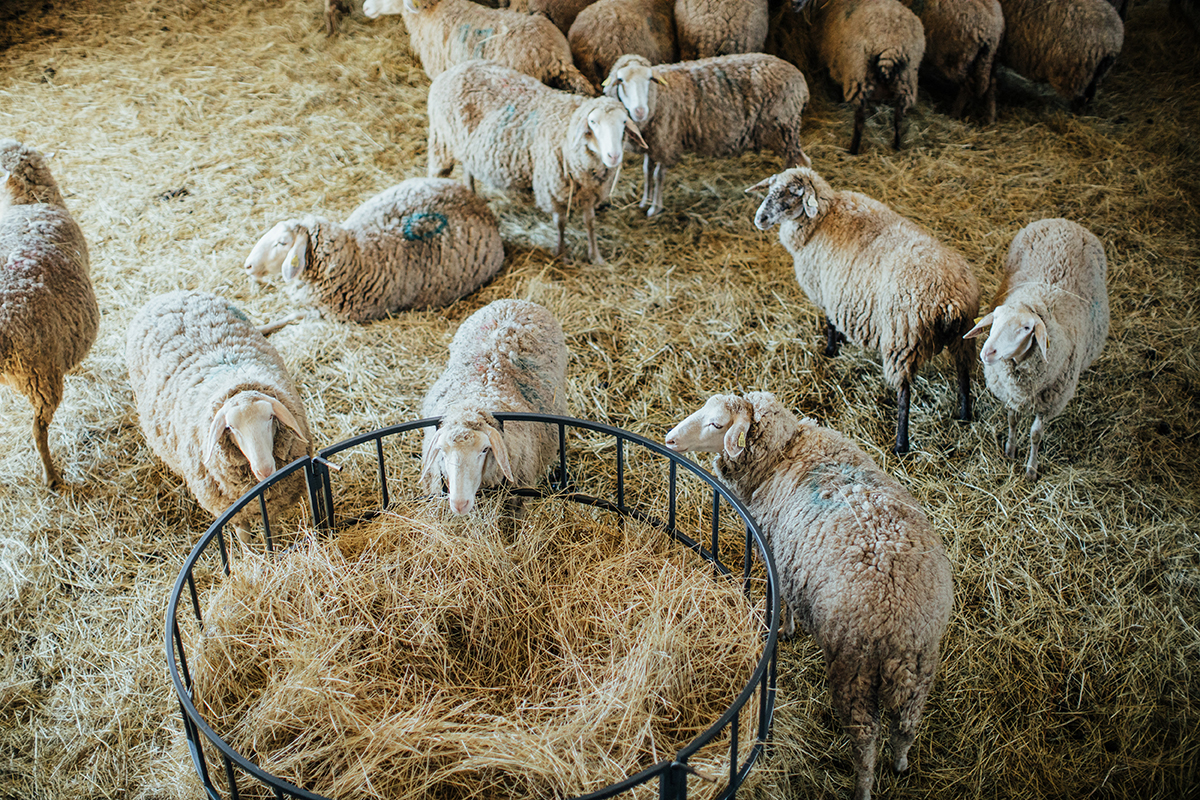
Sheep typically consume between 2% and 4% of their body weight in forage each day, depending on age, production stage, and forage quality. Pregnant and lactating ewes generally require more nutrients than maintenance animals, making forage quality particularly important during late gestation and early lactation.
Because sheep are relatively efficient feeders, using well-designed hay feeders can significantly reduce waste throughout the winter. Every pound of hay that stays in the feeder instead of ending up on the ground helps stretch your winter forage supply a little further.
Goats
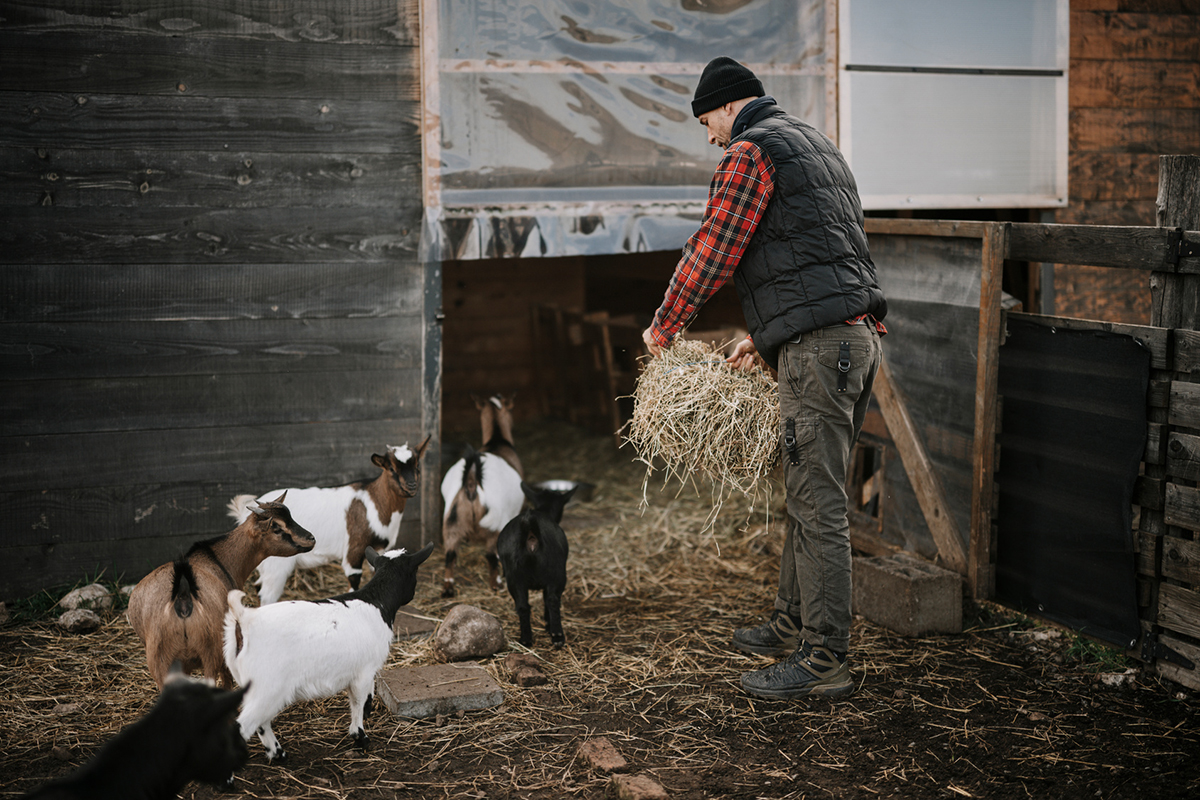
Goats naturally browse more than they graze and often sort through hay before eating it. Most goats consume between 2% and 4% of their body weight in forage each day, although actual intake varies depending on age, production stage, and forage quality.
Offering clean, leafy forage in a properly designed feeder encourages intake while helping reduce waste from trampling and contamination. Like every other livestock species, feeding quality forage makes a noticeable difference in overall health and body condition throughout the winter months.
Choosing the Right Hay Matters
Knowing how much hay to purchase is only part of the equation. Choosing the right forage is equally important because every animal has different nutritional requirements based on age, workload, production stage, and overall health. The best hay isn't necessarily the greenest, the softest, or the most expensive. It's the forage that best matches the needs of the animals you're feeding.
If you're unsure which forage is right for your operation, we invite you to read Different Types of Hay and What Animals They Are Best Suited For, where we compare common forage species and discuss when each one may be the best choice.
Don't Forget About Hay Waste
Even the most accurate calculations won't help if you forget to account for hay losses. Every feeding program experiences some degree of waste. Hay stored outdoors, fed directly on the ground, or exposed to moisture can experience significant losses before it ever reaches your animals. Even under excellent management, a small amount of waste is unavoidable.
That's why many nutritionists and Extension specialists recommend planning for an additional 10% to 20% above your calculated hay needs. Proper storage and quality feeders can greatly reduce waste, but building a small safety margin into your winter hay supply provides valuable peace of mind.
It's Better to Have a Little Extra
One of the questions we hear most often is, "What if I have hay left over?"
In reality, that's often a much better situation than running short in late winter. Research has shown that the greatest losses in forage quality occur during harvest while the crop is drying and curing in the field. Once hay has been properly cured, baled, and stored in a dry, protected environment, nutrient losses slow dramatically. Properly stored hay retains much of its nutritional value, making it far better to carry a little extra hay into the next season than to find yourself scrambling for forage before the new crop is ready.
Having additional hay also provides flexibility when spring arrives later than expected. Rather than rushing animals onto immature pasture, you can continue feeding hay while allowing fields to establish healthy growth.
Plan Ahead. Build Your Winter Hay Plan.
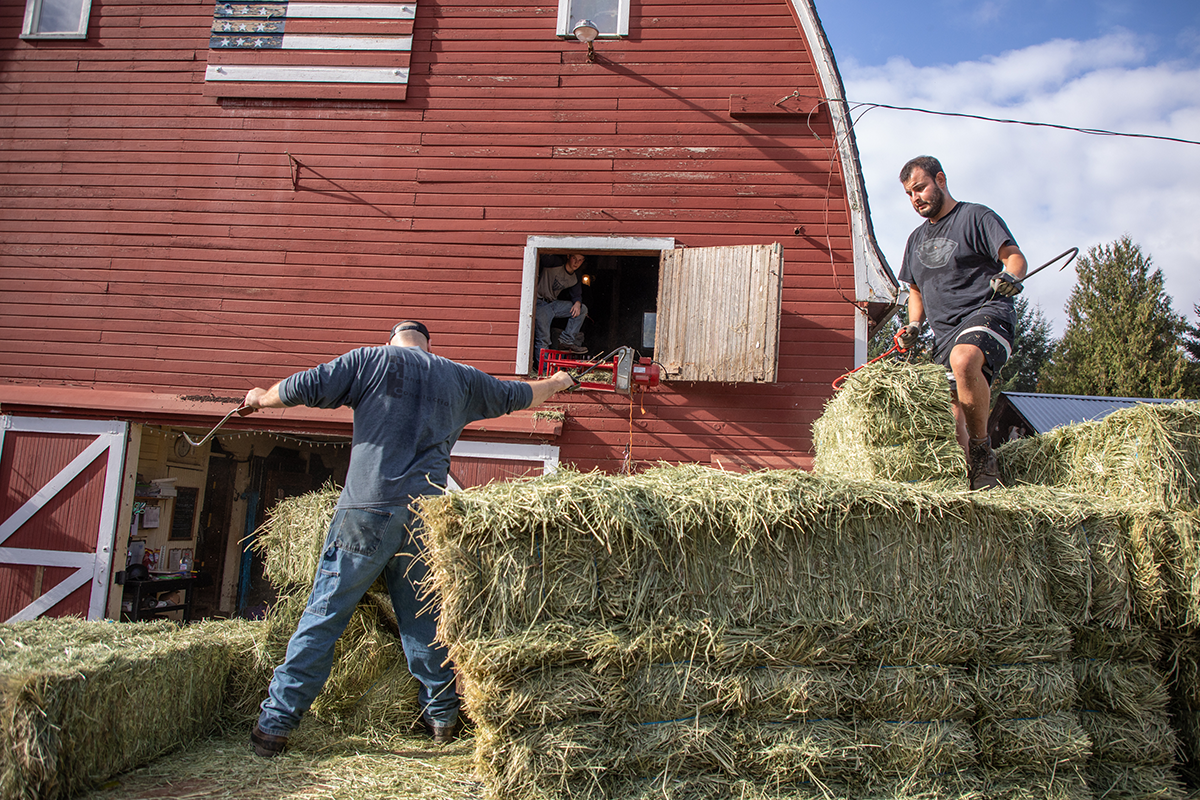
Winter feeding does not begin with the first snowstorm. It begins with the decisions you make while hay is still being harvested and barns are beginning to fill. Taking the time to estimate your feeding season, calculate each animal's forage needs, choose quality hay, and build in a little extra for normal waste can help you avoid scrambling for forage later in the winter.
Every farm and feeding program is different, which is why a general table can only take you so far. Use the Winter Hay Planner below to enter the type and number of animals you are feeding, their average body weight, the number of days you expect to feed hay, and your anticipated waste. The calculator will estimate your total needs in pounds and tons, then show approximately how many Anderson MAG, 3 Tie, or Compressed Bales that amount represents.
Planning a little extra is rarely a bad decision. Properly cured hay stored in a dry, protected barn retains much of its nutritional value, and having forage left in the spring gives you time to transition animals gradually as pastures begin growing again. A little preparation now can provide a great deal of confidence later.
Build Your Winter Hay Plan
This tool provides a planning estimate rather than an individual feeding recommendation. Actual forage needs may vary with age, workload, pregnancy, lactation, body condition, weather, pasture availability, hay quality, supplemental feed, and feeding management. Monitor your animals and consult your veterinarian, nutritionist, or local Extension professional when developing a complete feeding program.
Frequently Asked Questions
How much hay does a horse need for the winter?
Most mature horses consume between 1.5% and 2.5% of their body weight in forage each day, with many adult horses eating around 2% of their body weight in hay when pasture is limited. The total amount needed for winter depends on your horse's weight, forage quality, feeding season, and expected hay waste. Using a winter hay calculator can help estimate the number of pounds, tons, or bales you'll need.
How much hay should I buy before winter?
The best time to purchase winter hay is often during or shortly after harvest, when supplies are generally more available and quality is easier to evaluate. Rather than planning only through the winter months, consider buying enough hay to carry your animals through the transition back to spring pasture as well.
How long will hay stay good in storage?
Properly cured hay that is stored in a dry, well-ventilated barn and protected from moisture can maintain much of its nutritional value for an extended period. Research has shown that the greatest nutrient losses occur while hay is drying and curing in the field. Once properly baled and stored, nutrient losses slow dramatically, making it better to have a little extra quality hay than to run short before the next harvest.
How much extra hay should I buy to account for waste?
Every feeding program experiences some hay loss due to storage, weather, trampling, or feeding methods. Many Extension specialists recommend planning for approximately 10% to 20% additional hay to account for normal storage and feeding waste. Using feeders and storing hay indoors can significantly reduce those losses.
Does every animal eat the same percentage of its body weight in hay?
No. Different species have different nutritional requirements, and intake also varies depending on age, workload, pregnancy, lactation, weather, forage quality, and body condition. The percentages used in this article are intended as planning estimates and should be adjusted based on your individual animals and management program.
Is hay quality just as important as the amount I feed?
Absolutely. Feeding the correct amount of poor-quality forage may still leave animals short on important nutrients. Quality hay with good digestibility, appropriate protein levels, and balanced nutrition provides a stronger foundation for every feeding program. Understanding what's in your hay through laboratory analysis can help you make more informed feeding decisions.
Why should I continue feeding hay when spring grass begins to grow?
Fresh spring pasture changes rapidly and often doesn't provide enough forage early in the season to meet all of your animals' nutritional needs. Continuing to feed hay during the transition helps maintain a consistent diet, supports digestive health, and allows pastures time to establish healthy growth before carrying the full grazing load.
Should I calculate hay needs by the herd or by each individual animal?
For the most accurate estimate, calculate hay needs using the average body weight and nutritional requirements of each group of animals. Growing animals, pregnant females, performance animals, and mature maintenance animals often have different forage requirements, so separating them into similar groups can improve both feeding accuracy and winter planning.
How do I know if I'm feeding enough hay?
Monitoring body condition is one of the best indicators. Animals that begin losing condition may require additional forage, higher-quality hay, or changes to the overall feeding program. Weather, activity level, production stage, and forage quality all influence how much hay an animal actually needs throughout the winter.
Why does Anderson Hay test every production stack?
Because no two fields or harvests are exactly alike. Every production stack is sampled and tested to help ensure consistent quality and to provide customers with accurate nutritional information through our Traceability Program. Knowing what's in your hay allows you to feed with greater confidence and make more informed nutritional decisions throughout the year.
Where can I learn more about choosing the right hay?
Choosing the right forage is just as important as calculating how much you'll need. If you'd like to learn more, explore these Anderson Journal articles:
* Different Types of Hay and What Animals They Are Best Suited For
* 7 Signs Your Hay May Not Be Meeting Your Horse's Needs
* Why Hay Still Matters When Spring Grass Arrives
* Traceability at Anderson Hay: From the Field to Your Barn