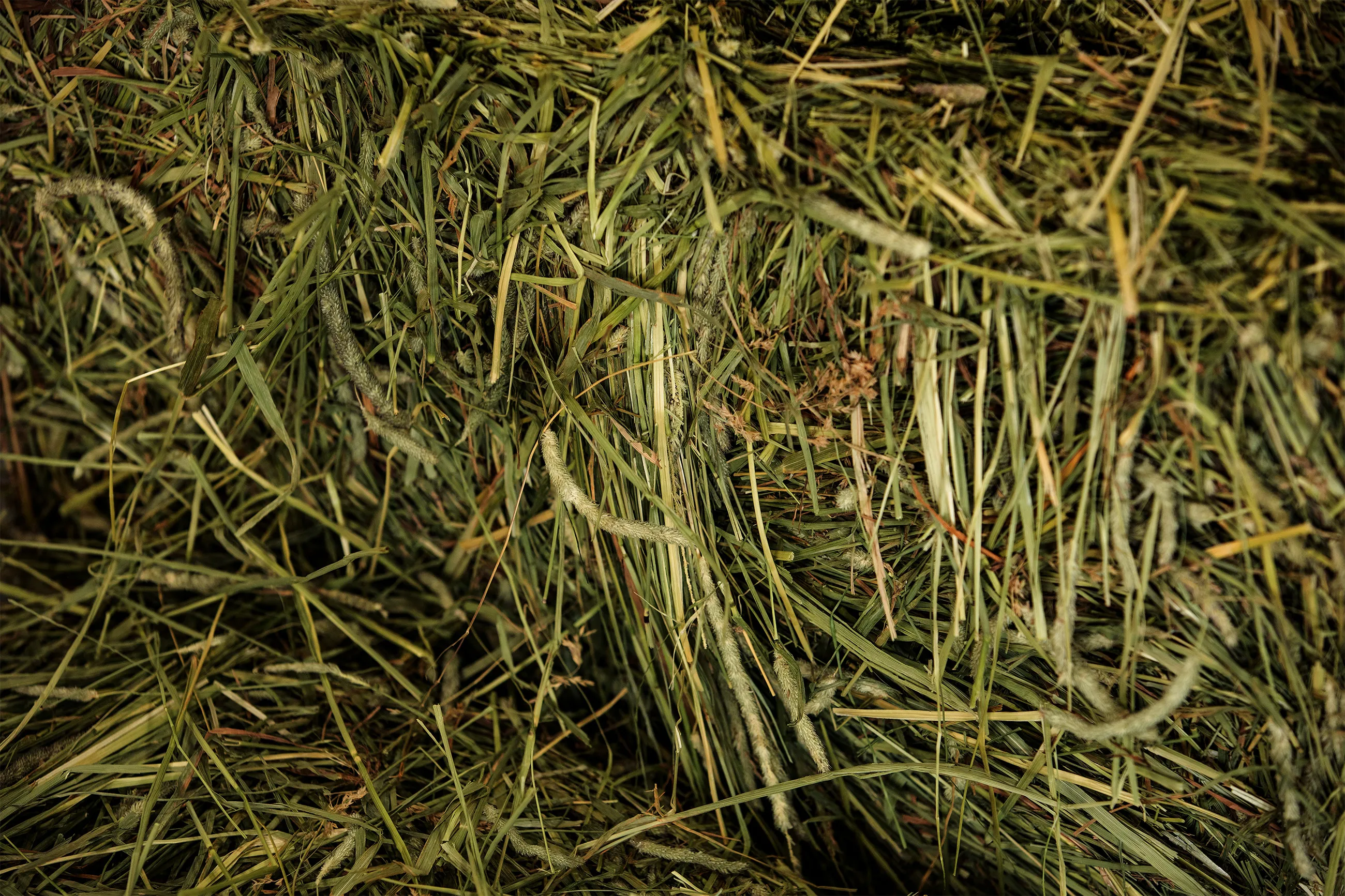
Most horse owners know to look for clean, leafy hay. Some look for low sugar, low starch, or high fiber. But very few realize something far more important: every bale has a story.
At Anderson Hay, we don’t just produce hay, we track that story from the field all the way to your feed room. For horse owners, rescues, trainers, and anyone who depends on safe, consistent forage, traceability isn’t a luxury. It’s protection. It’s peace of mind. And it’s the foundation of true nutritional consistency.
Why Traceability Matters More Than Most Horse Owners Realize
Many hay companies simply cut, bale, and sell hay. Some may do occasional field testing, but often there’s little documentation beyond that. And when something goes wrong, whether it’s a metabolic flare, unexplained weight loss, a toxic weed concern, or nitrate issues, there’s usually no clear way to trace the problem back to its source.
That’s where Anderson operates differently. We document every step, test every stack, and maintain a complete chain of custody for every bale that leaves our farms and facilities. That means we don’t just “hope” forage is consistent, we can prove it.
It All Starts in the Field: Records, Stewardship, and Quality Control
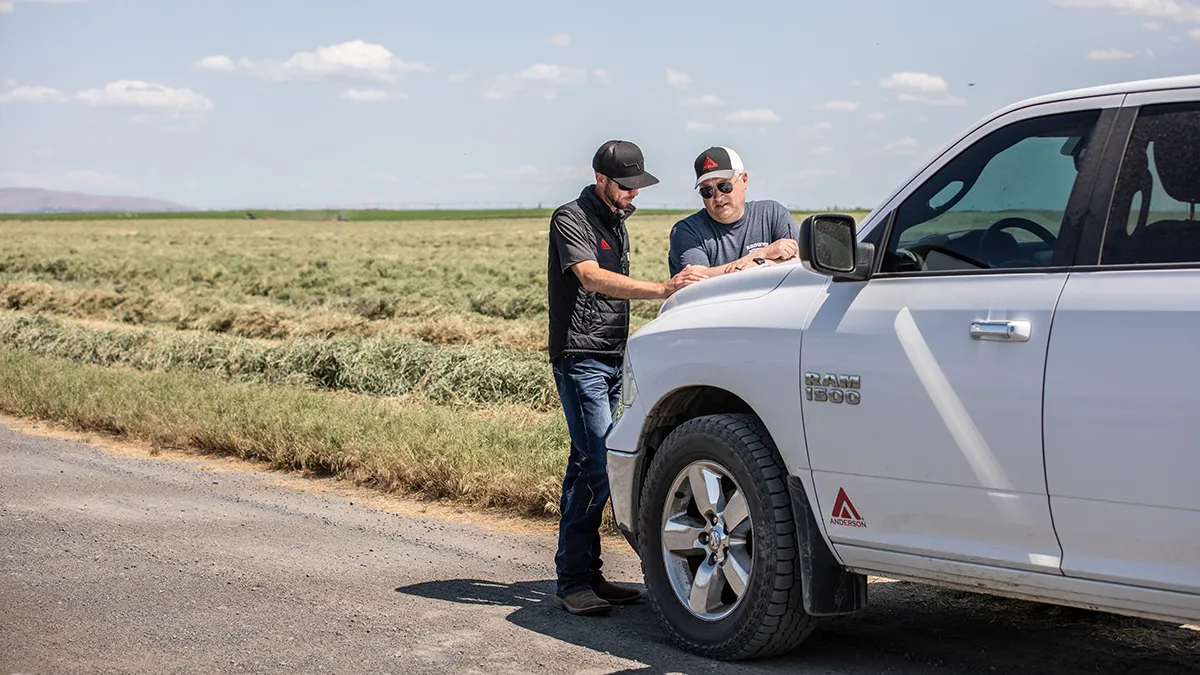
True traceability begins long before hay is baled. Before a single cutting takes place, our team evaluates each field and logs key information that can affect both quality and safety. This includes crop history, how long the stand has been in production, irrigation schedules, and any treatments applied through the season. We also document any spray activity, including neighboring field activity, because that matters when customers have concerns and want answers.
This level of record keeping is not just paperwork. Things like plant maturity, water stress, soil conditions, and outside field activity can impact nutritional profile, cleanliness, and suitability, especially for senior or metabolic horses where consistency matters most.
Testing Every Stack: No Exceptions
Once hay is baled and stacked, it enters the next critical phase: testing.
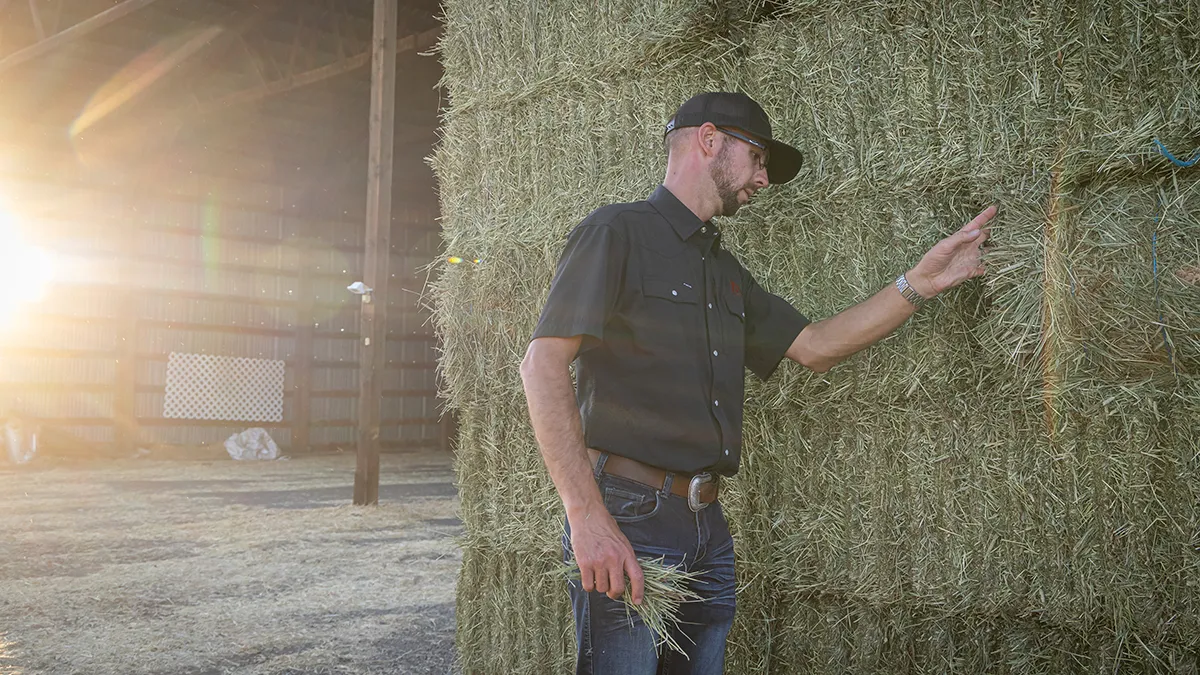
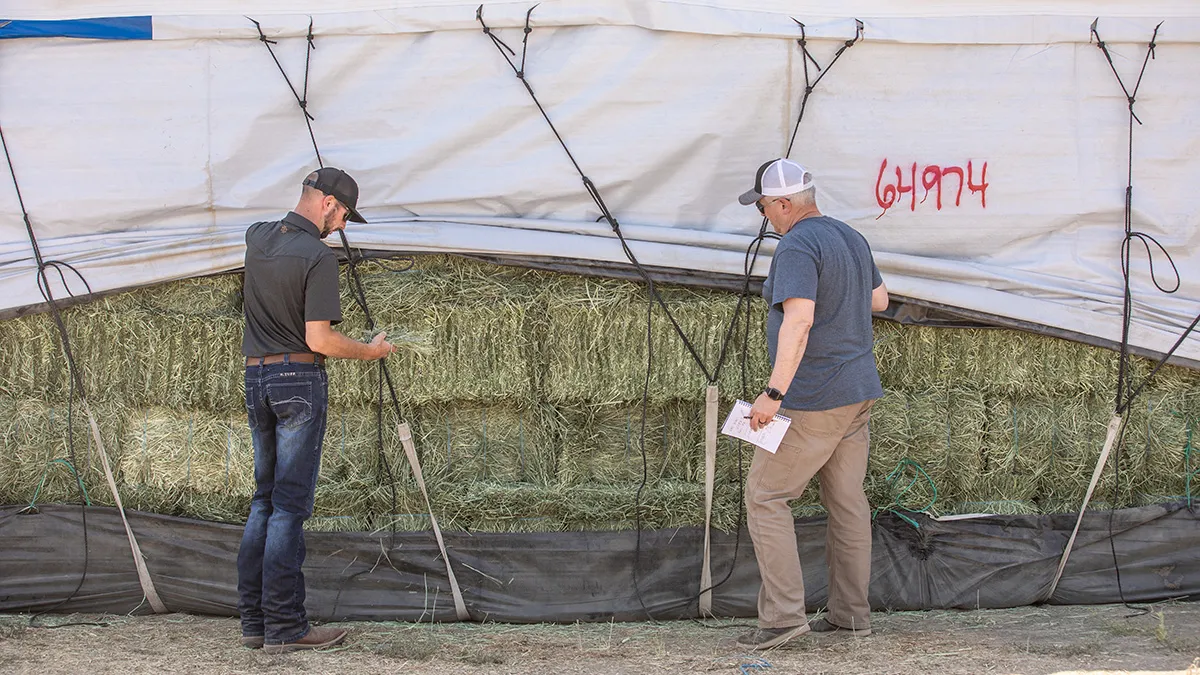
At Anderson Hay, every stack is cored, tested, and tagged, and each stack is assigned its own serial number for traceability. There are no exceptions. Even our Certified Straw follows the same process. That means we don’t rely on a test from “somewhere in the field.” We test the actual finished stack, the same hay that will be shipped to retailers and fed to animals.
Test results are stored in our system alongside the harvest date, stack location, moisture levels, nutritional profile (including NSC when applicable), and quality notes related to storage and handling. This step is essential because it allows Anderson to provide consistent hay and straw across a wide customer base, whether it’s a handful of bales purchased from a farm store, or a full program supporting performance barns and rescues.
Why Consistency Matters (Especially for Older & Metabolic Horses)
Consistency isn’t just a preference. In many barns, it’s a necessity.
Horses with Cushing’s, insulin resistance, PSSM, or other metabolic challenges depend on nutrition that doesn’t change dramatically from one bale to the next. Even horses without health concerns can feel the effects of shifting forage quality through changes in body condition, behavior, or digestive stability.
Because Anderson tests and documents every stack, we’re often able to help customers find hay that fits their horse’s needs more precisely. We’ve seen firsthand how this helps older horses maintain weight and condition without constantly increasing grain, and how metabolic horses benefit when NSC and overall forage quality are consistent and known. Rescues like Oregon Horsemanship are a great example of what can happen when a herd moves onto a dependable, tested forage program.
Tracking Every Movement: Storage, Pressing, and Delivery
Our traceability system doesn’t stop once hay is stacked and tested. From there, every movement is documented through the supply chain.
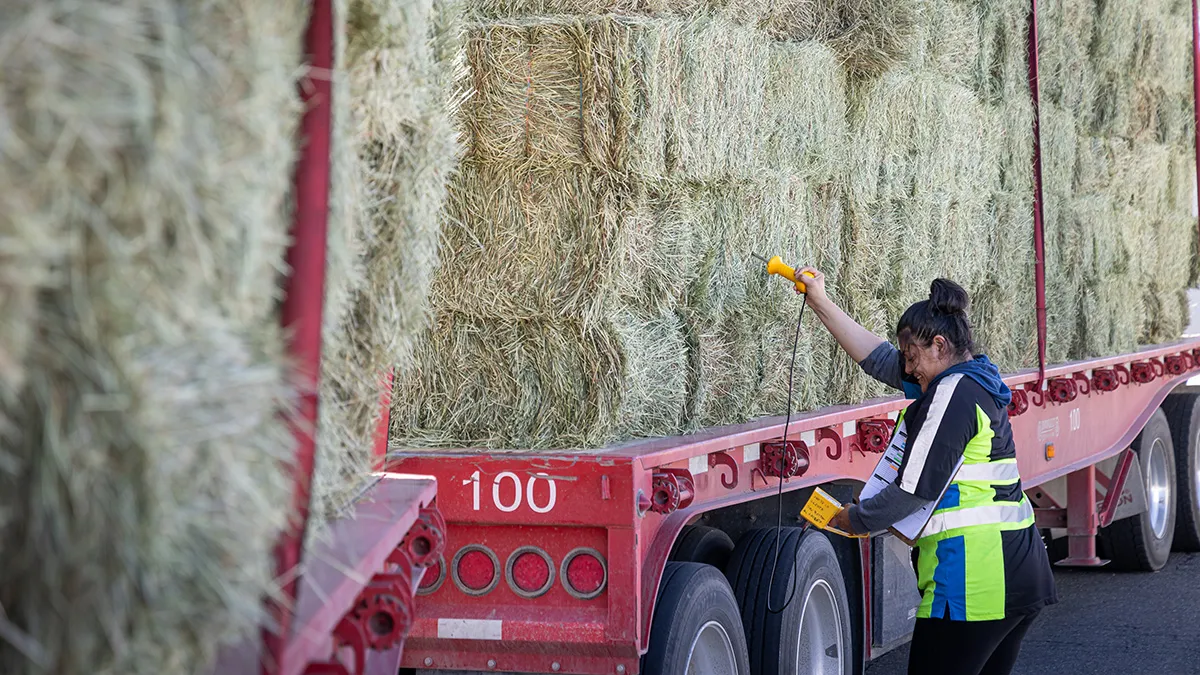
We track when hay is pulled from storage, when it is transported, and when it enters processing at the plant. Moisture is checked again, and when needed, additional analysis may be pulled to confirm the hay stayed clean and consistent through storage. If the hay is pressed into compact bales, that processing step is recorded. The hay continues to be documented through packaging, loading, shipping, and retailer delivery.
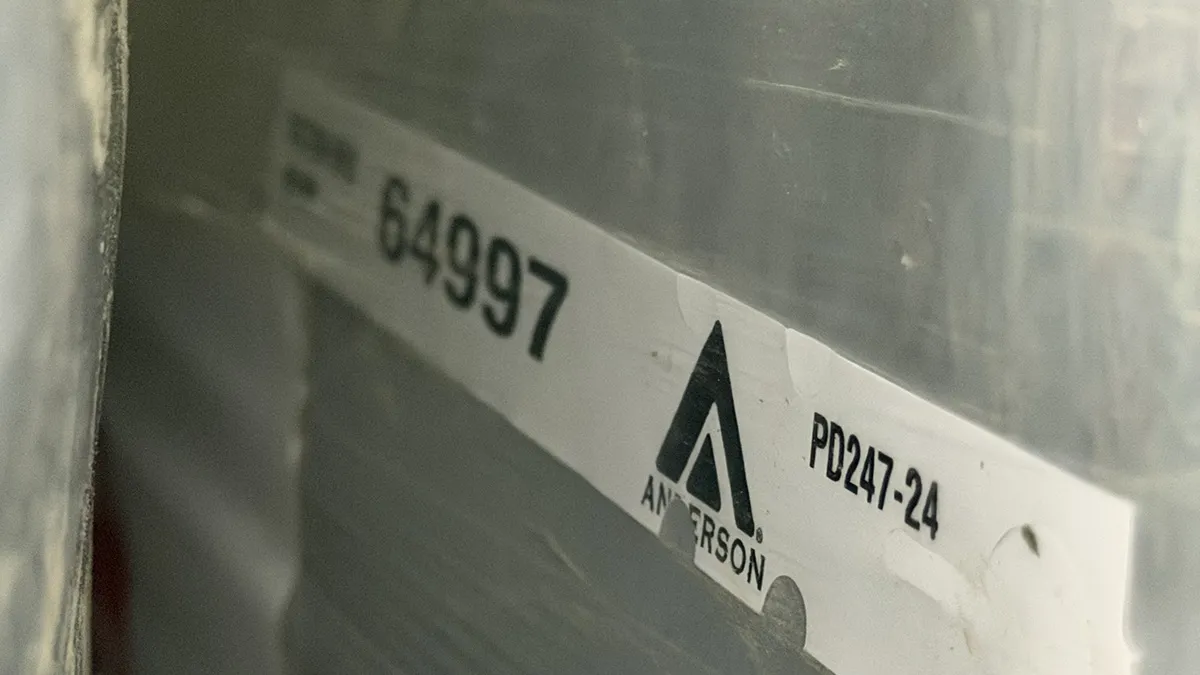
That same serial number follows the product through every stage. So if a customer ever has a question, whether they purchased hay for a backyard horse, a herd of livestock, or a whole barn of performance horses, we can pull up the full history of that bale quickly, from field to feed room.
How Traceability Protects Your Horse
This system provides real value to horse owners and animal caretakers. Traceability gives you consistency you can count on, and confidence that nothing is hidden or unknown. It also improves safety, because if concerns ever come up about spray residue, field conditions, weeds, or nitrate risk, Anderson has the documentation to investigate accurately instead of guessing.
It also allows for support on the nutrition side. If a horse has special feeding needs, we can help match forage based on known information rather than assumptions.
Find the Actual Analysis for Your Hay
Traceability is most valuable when that information is placed directly into the hands of the people feeding the hay. That's why Anderson Hay customers can now use our Traceability Page to look up the forage analysis connected to the hay they purchased.
If you still have the lot tag from your bale, simply scan the QR code or enter the lot number on the traceability page to access the available analysis for that hay. No tag? You can still use the lookup process by answering a few questions about the product, where it was purchased, and other identifying details to help locate the correct information.
This means a horse owner wondering about NSC, a nutritionist reviewing protein and fiber levels, or an animal caretaker simply wanting to better understand what they are feeding no longer has to rely on a generic average for that type of hay. They can look for the analysis connected to the hay in front of them.
Ready to see what's in your hay? Visit the Anderson Hay Traceability Page and start with your lot number or product information.
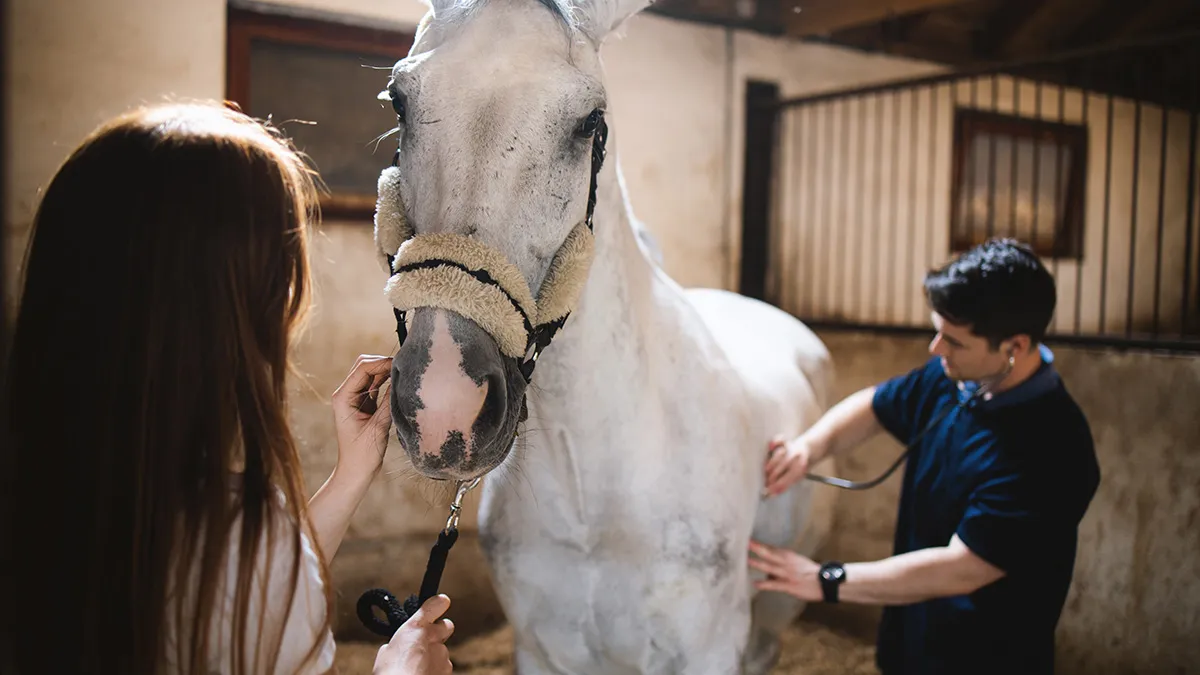
Real-World Example: The Teff Hay Problem
Teff hay is commonly recommended for metabolic horses because it often tests low in NSC. And in the right conditions, it can be a great option. The problem is that Teff is also finicky to grow, and when it becomes stressed or isn’t harvested correctly, it can become dangerously high in nitrates.
Most horse owners don’t know this, and many batches of Teff hay are sold without being thoroughly tested. In real situations, people have bought Teff hay because they were told it was “low sugar,” only to later find out the nitrates were dangerously high, leading to vet visits, kidney stress, and in extreme cases, fatalities.
This is one reason Anderson insists on testing every stack, every time. If forage is going to be fed to horses, especially horses with health issues, it shouldn’t be a mystery product.
Why Anderson Hay Invests So Much in Quality
We believe hay isn’t just hay. It’s the largest part of most equine diets, and it has a direct impact on the health and well-being of the animals it feeds.
That’s why Anderson is committed to doing more than simply baling forage and shipping it. We focus on quality over quantity, by working closely with growers, documenting every step, testing every stack, and making sure the forage leaving our system is clean, consistent, and dependable.
It’s also why our hay is trusted by a wide range of horse owners and organizations, including performance programs, therapeutic riding centers, veterinarians, nutritionists, and rescues who need forage they can depend on year-round.
The Bottom Line for Horse Owners
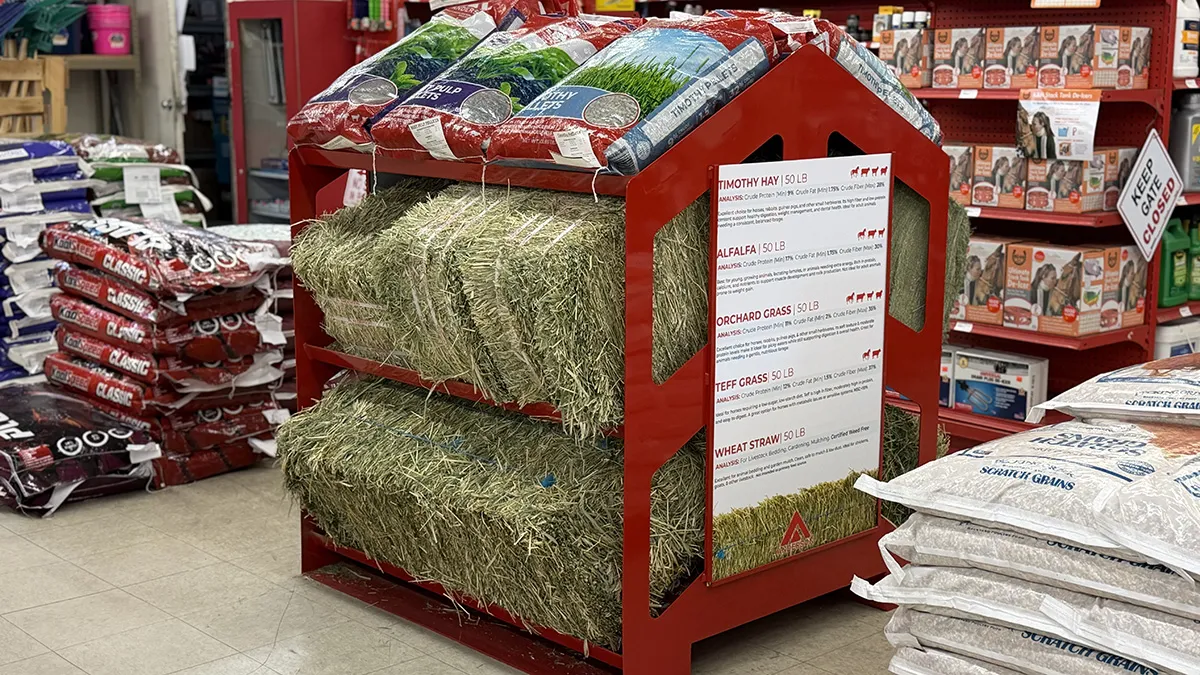
No matter where you buy it, through a local retailer, farm store, or long-term partner, every bale of Anderson Hay comes with a documented history.
That means better consistency, better confidence, better nutrition, and better outcomes for your animals.
Know More About the Hay You Feed
No matter where you purchase Anderson Hay-through a local retailer, farm store, or long-term partner-our traceability system is designed to provide greater confidence in the forage you feed. From field records and stack testing to processing and delivery, the goal is simple: better information, better consistency, and fewer unknowns.
Want to learn more about your hay? Use the Anderson Hay Traceability Page to look up available forage analysis using your lot number or product information.
Still looking for Anderson Hay in your area? Click here to find Anderson Hay near you.