As calving season is already in full swing, most of us are focused on the same things. We're watching for strong calves, checking body condition, and making sure milk comes in like it should. Long nights and early mornings are part of the routine, and every small detail feels magnified. What doesn't always get enough attention, though, is the quality of the forage sitting in front of those cows. And during this time of year, that detail matters more than most.
According to Oregon State University Extension's publication Beef Cow Nutrition Through the Production Cycle, roughly 70 percent of fetal growth occurs during the final trimester. That means energy and protein requirements rise significantly in those last months before calving. Once that calf is born and lactation begins, nutrient demand increases again. Texas A&M AgriLife Extension explains in its beef nutrition resources that lactating cows require more total digestible nutrients and crude protein than dry cows of similar weight. When you connect those two stages, it becomes clear that hay quality during calving season isn't just helpful. It's foundational to calf vigor, milk production, and reproductive success.
Why Late Gestation Nutrition Sets the Tone
During the final trimester, a cow is supporting rapid fetal growth while preparing to produce colostrum. Oregon State University Extension notes that inadequate nutrition during this stage can result in lower birth weights and weaker calves. Most producers don't need a research paper to tell them that weak calves cost time and labor, but the science backs up what we see in the pasture. At the same time, body condition at calving plays a direct role in how quickly a cow will return to estrus. The University of Nebraska-Lincoln Extension, in its body condition scoring resources, explains that cows calving in moderate body condition resume cycling sooner and maintain stronger reproductive performance than cows that calve thin. When cows enter calving with the right energy reserves, everything that follows becomes more predictable.
After Calving, the Nutritional Pressure Increases
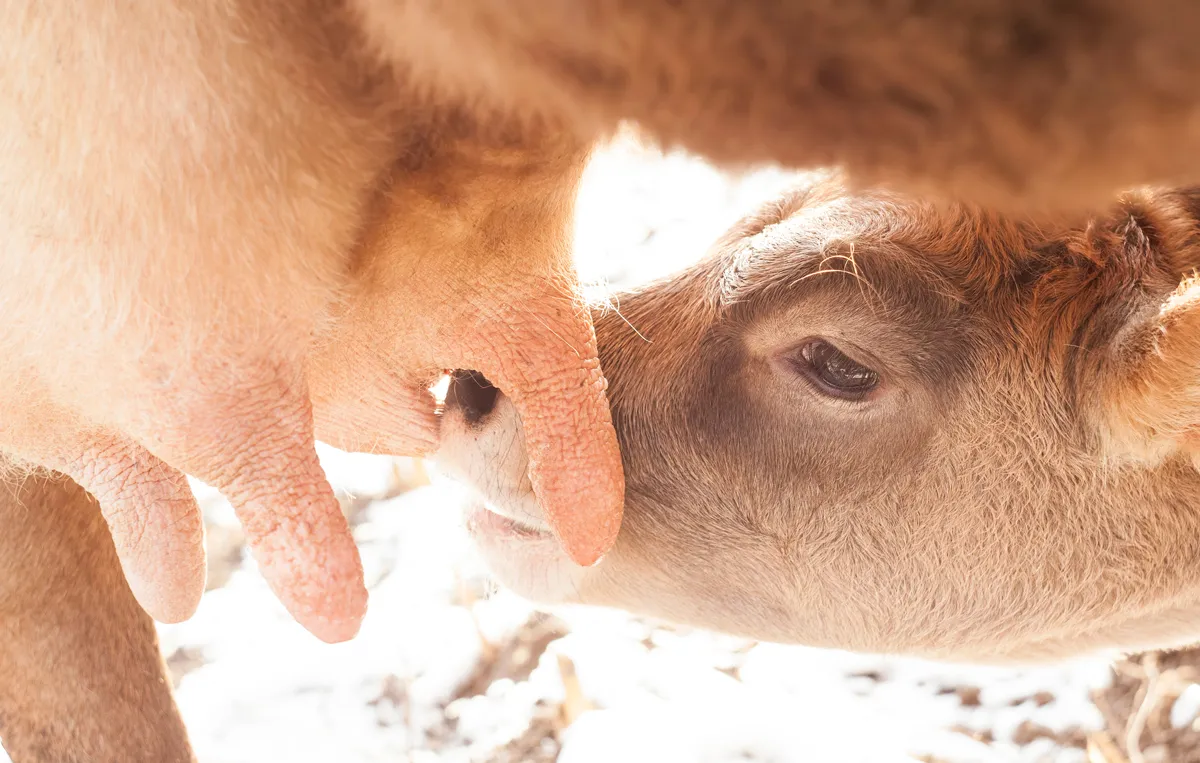
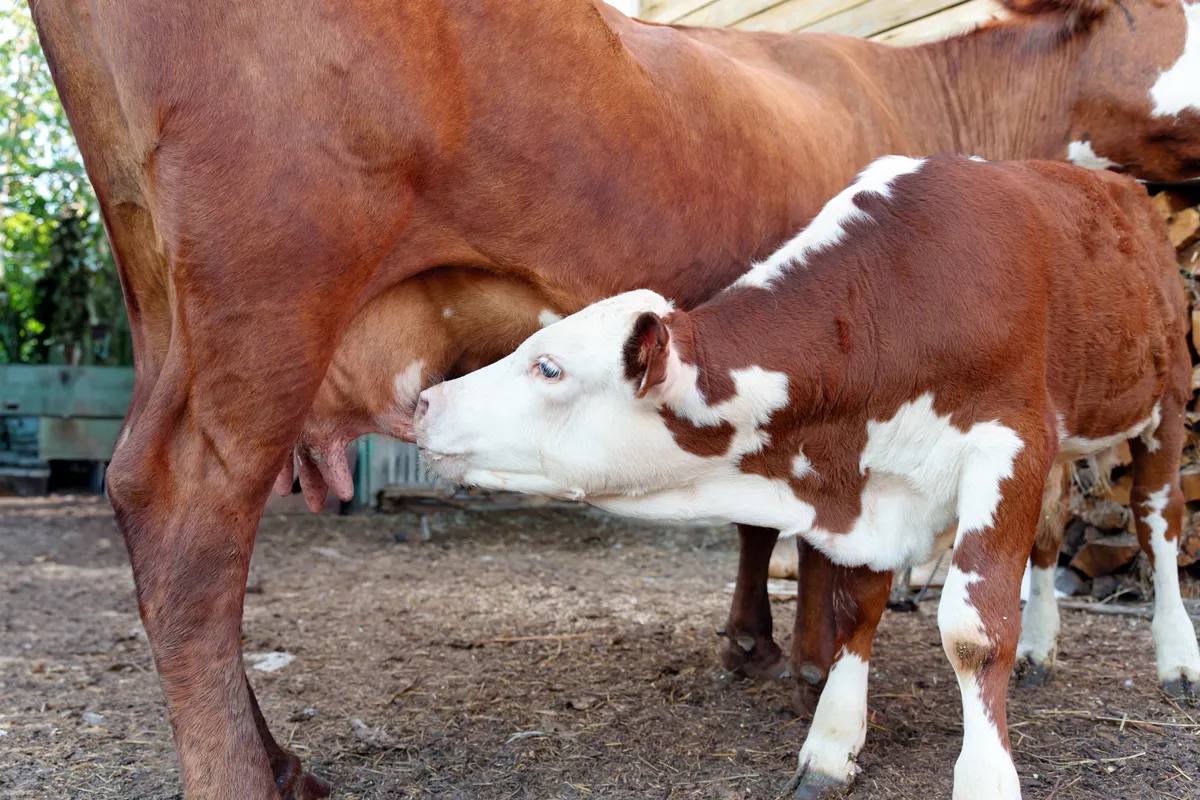
Once lactation begins, the energy demand doesn't level off. It climbs. Texas A&M AgriLife Extension outlines that lactating cows require greater levels of energy and protein because milk production adds significant metabolic demand. If forage doesn't meet those needs, cows will start pulling from body reserves, and that shows up as weight loss and slower recovery. The University of Nebraska-Lincoln also discusses the connection between postpartum nutrition and reproductive efficiency in its nutrition and reproduction resources, noting that inadequate energy intake can delay the return to estrus. That delay can quietly impact breeding timelines and overall herd productivity. Early lactation simply isn't the time to assume hay is "good enough."
Why Hay Testing Make the Real Difference
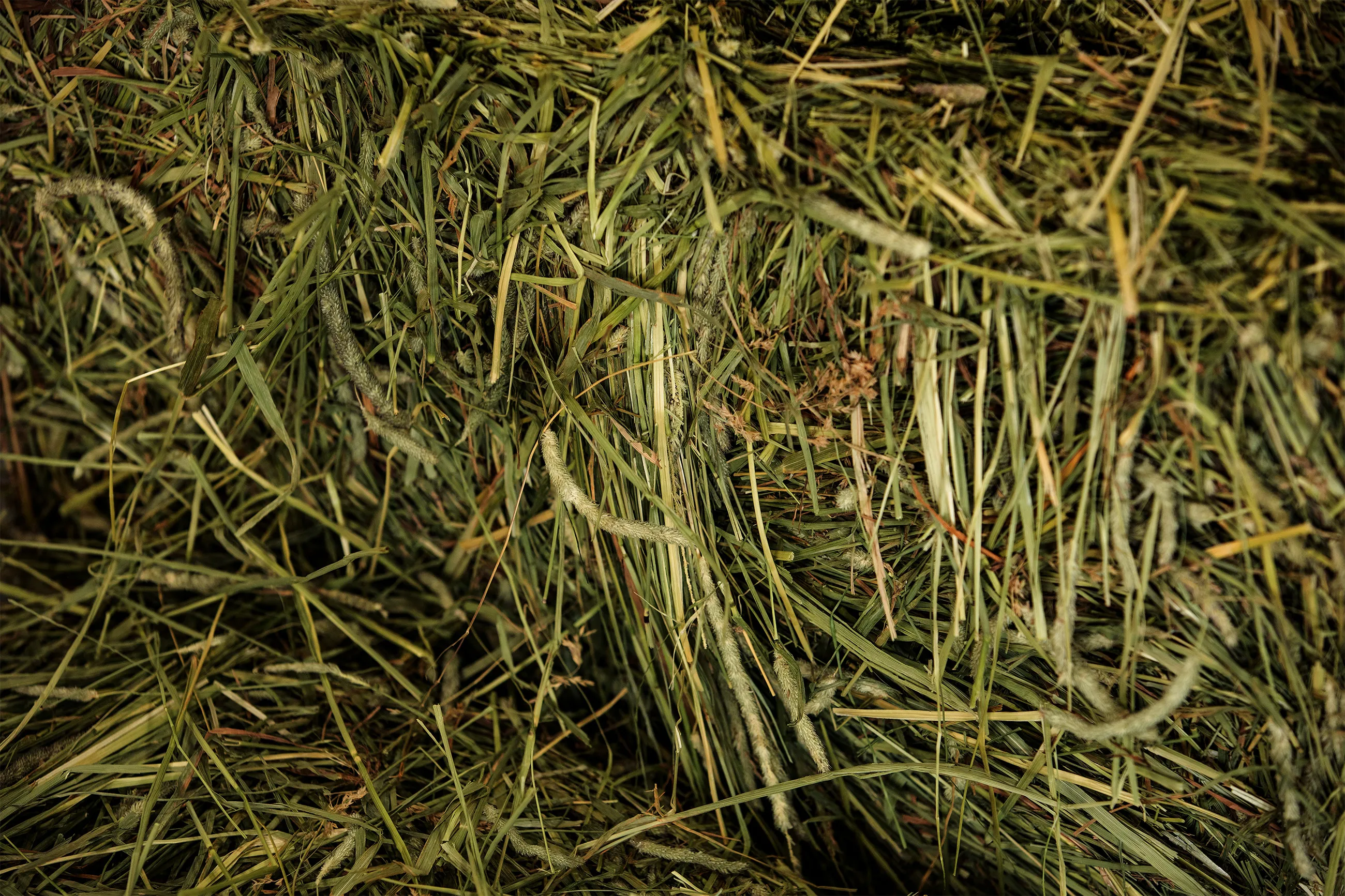
Forage species alone doesn't guarantee nutrient value. Oregon State University Extension explains in its hay testing and interpretation guide that crude protein and energy levels vary depending on plant maturity, harvest timing, weather conditions, and storage practices. Two hay lots that look nearly identical can feed very differently. Texas A&M AgriLife Extension reinforces this point in its forage testing resources, encouraging producers to base supplementation decisions on laboratory analysis rather than visual assessment alone.
When cows are in high-demand stages like late gestation or early lactation, that difference becomes more noticeable. A forage analysis gives you measurable data for crude protein, total digestible nutrients, fiber levels, and sometimes nitrates. That allows you to match forage to production stage instead of feeding based on averages.
At Anderson Hay, this is where our traceability program becomes especially valuable. Every stack of hay is tested and documented, allowing nutrient data to be tied to specific lots. If you're feeding Anderson hay and need the nutritional analysis for your forage, we can often provide the test results associated with that product. That removes guesswork during one of the most critical periods in the production cycle.
You can learn more about how our testing and documentation system works in our Traceability at Anderson Hay article.
And if you need assistance locating forage analysis information, you can reach out through our contact form here and we will be happy to provide it!
Choosing the Right Anderson Forage for your Operation
Every operation feeds differently. Some producers are managing a handful of cows, while others are feeding large herds through peak demand. Anderson Hay offers a wide range of forage types and bale formats to match those needs. Traditional 3-tie bales or Compressed bales provide flexibility for smaller groups and controlled feeding, while higher-density options like MAG bales allow efficient feeding at scale. The key is selecting tested forage that matches the nutritional stage your cows are in, then choosing a format that fits your feeding system.
If you're evaluating forage this calving season and want confidence in what you're feeding, find an Anderson Hay dealer near you and select tested forage that aligns with your herd's nutritional demands.
Frequently Asked Questions About Feeding Cattle During Calving and Lactation
What protein level do beef cows need during late gestation?
Mature beef cows typically require 9% to 11% crude protein during late gestation, according to Oregon State University Extension. Because most fetal growth occurs in the final trimester, adequate protein intake supports calf vigor, colostrum production, and proper body condition at calving.
How much energy does a lactating beef cow require?
Lactating beef cows require higher total digestible nutrients than dry cows due to the added energy demand of milk production, according to Texas A&M AgriLife Extension. If energy intake is inadequate, cows may lose body condition and experience delayed return to estrus.
Should hay be tested during calving season?
Yes. Extension services such as Oregon State University recommend forage testing to determine crude protein, total digestible nutrients, and potential nitrate levels. Testing allows producers to make supplementation decisions based on measured values rather than visual estimates.
What happens if cows are underfed after calving?
University of Nebraska-Lincoln Extension reports that inadequate postpartum nutrition can delay return to estrus and reduce reproductive efficiency. Poor forage quality during early lactation may also lead to body condition loss and lower milk production.