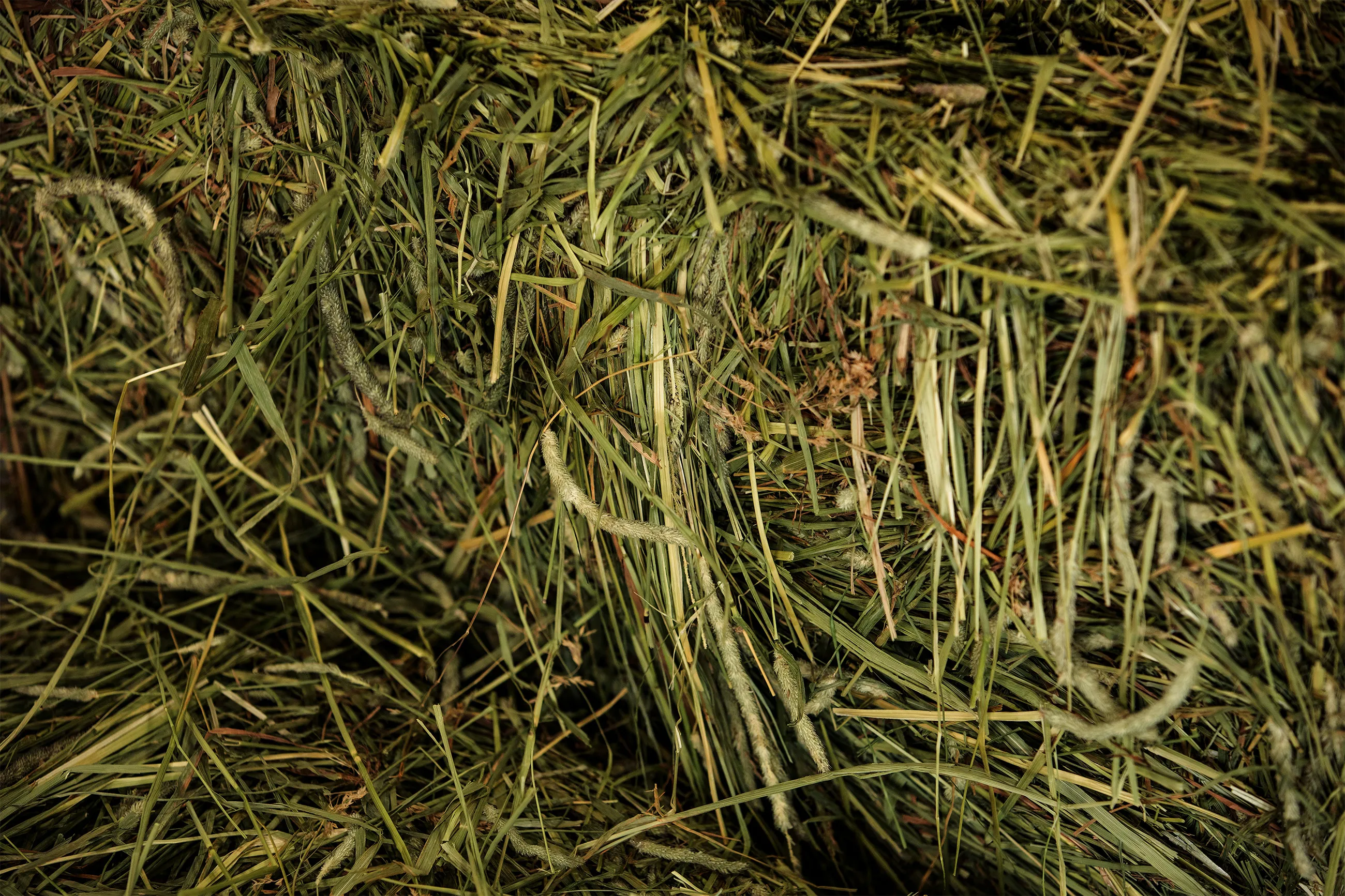
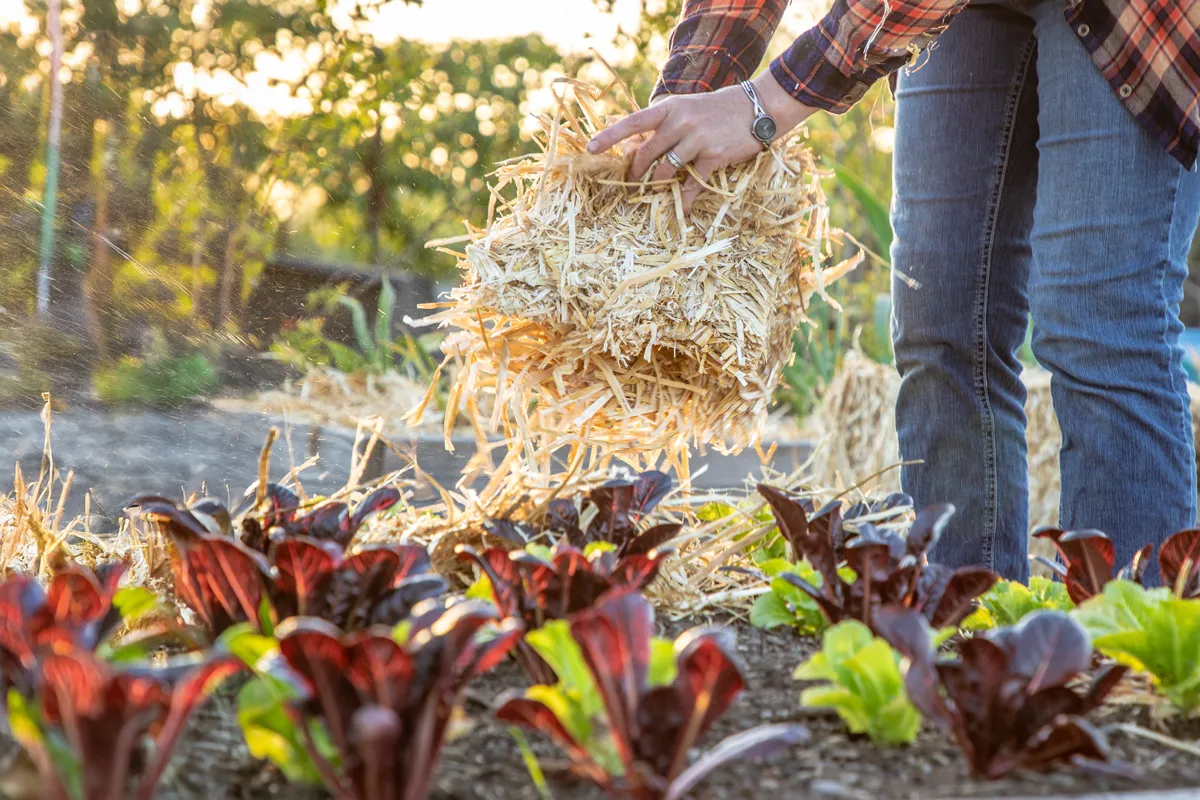
Last fall, we talked about using straw to prepare your garden beds for winter, protecting your soil through the cold months and setting the stage for a better spring. Now that planting season is here, that work really starts to show, and spring becomes less about starting over and more about building on what you've already done. If you missed that article, you can read it here: Certified Straw for Fall Gardening.
Spring gardening is not just about getting plants in the ground. It is about continuing to protect, improve, and support the soil that those plants depend on. One of the simplest and most effective ways to do that is by using straw mulch the right way.
Why Straw Mulch Matters in the Spring
As temperatures rise and plants begin to grow, soil can dry out quickly, weeds begin to compete for nutrients, and bare ground is exposed to sun, wind, and rain. A layer of straw mulch helps stabilize all of that at once. It holds moisture in the soil, reduces weed pressure, and keeps soil temperatures more consistent during those early spring swings between warm days and cool nights.
Straw mulch also protects the soil surface from erosion and compaction, especially during spring rains. In a recent article from Oregon State University Extension on soil health and low disturbance gardening, they highlight how keeping soil covered is one of the most important ways to maintain structure, reduce runoff, and support long term soil health. This is exactly what straw mulch is doing for you every time you apply it.
Building Soil, Not Just Growing Plants
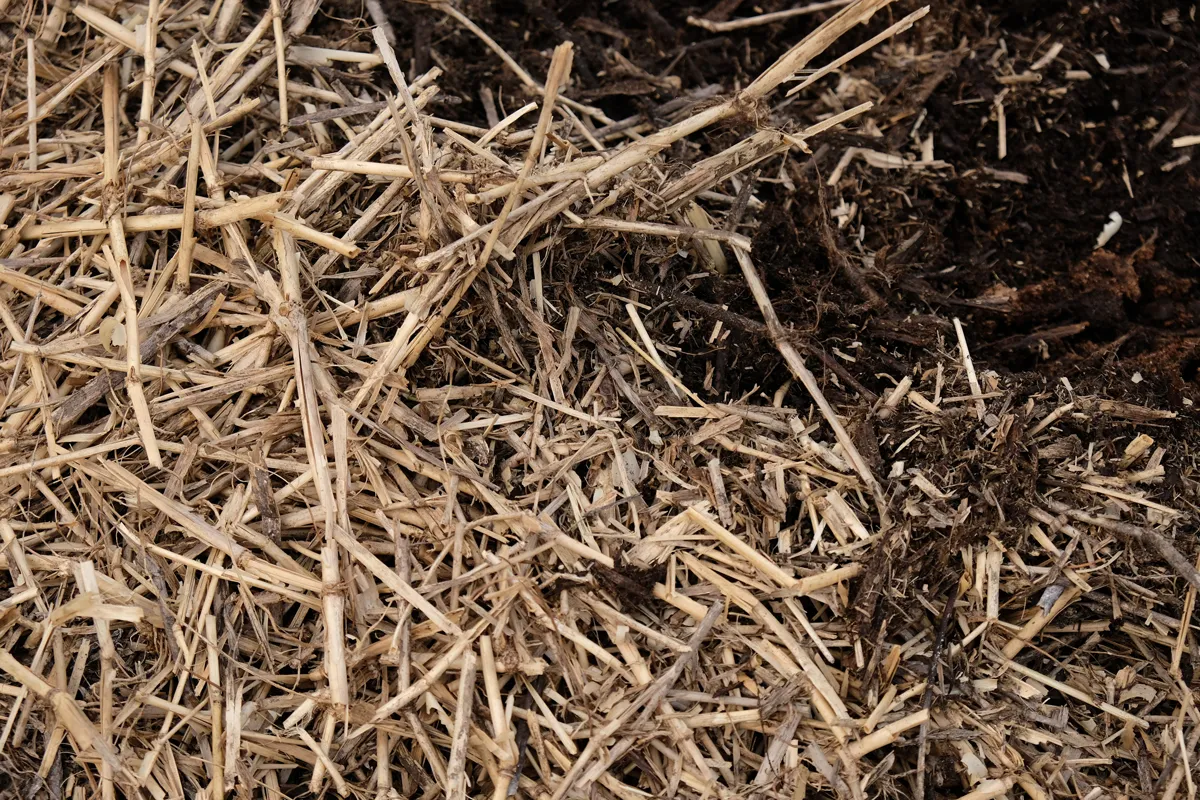
More and more gardeners are moving toward no-till or low disturbance systems, and straw plays a key role in that approach. Instead of turning soil each year, the goal is to build it over time by keeping it covered and feeding it with organic material.
In a recent article from the Maine Organic Farmers and Gardeners Association titled No Till Mulching, they explain how layering organic materials like straw helps protect the soil while feeding the biology underneath it. Over time, that leads to better water retention, improved soil structure, and stronger plant growth without needing to constantly disrupt the soil.
If you applied straw in the fall, you have already started this process. Your soil has been protected all winter, and now in the spring, it is in a much better position to support new growth. Adding a fresh layer of straw continues that cycle, allowing you to build your soil year after year instead of starting over.
How to Use Straw Mulch in the Spring
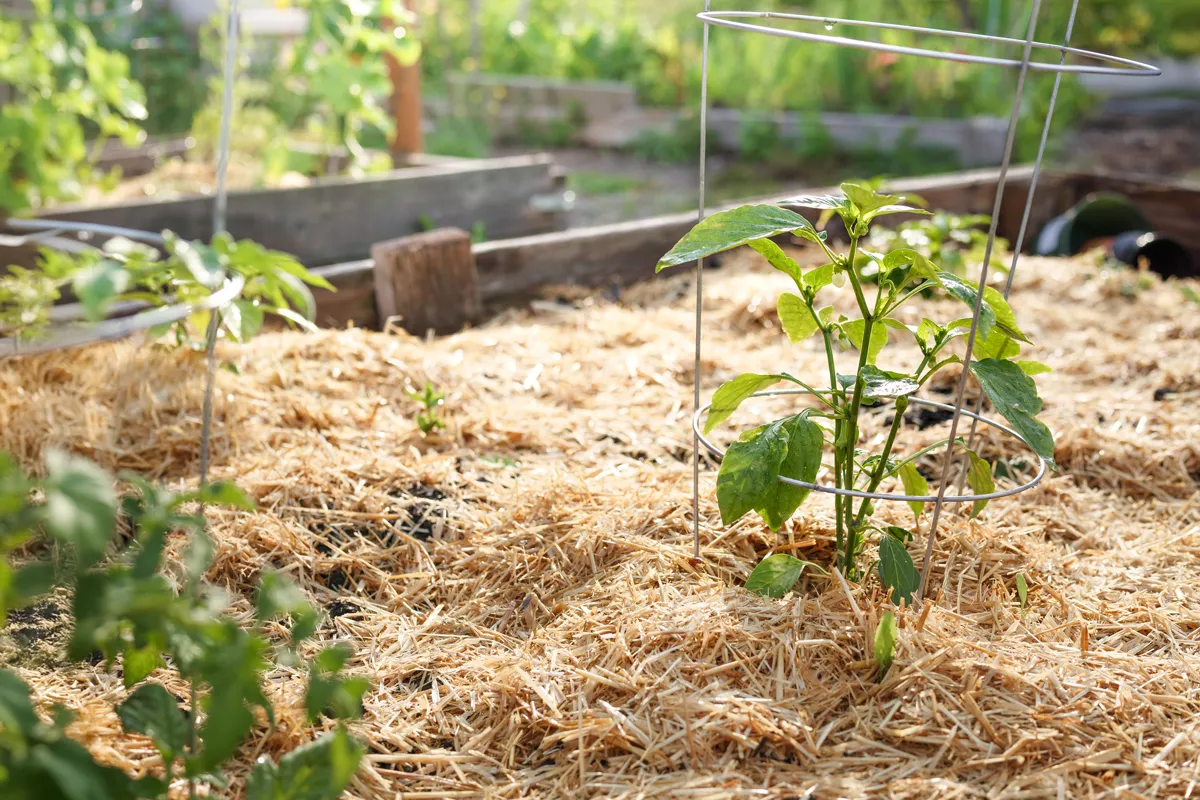
Applying straw mulch in the spring is simple, but timing matters. Once your soil has had a chance to warm up and your plants are established, you can apply a layer of straw around your garden beds, typically a few inches thick. The goal is to cover the soil while still allowing airflow and space for plants to grow.
Straw works well between rows and around vegetables, helping retain moisture and suppress weeds while also keeping soil from splashing onto leaves during watering or rain. Over time, that straw will gradually break down and return organic matter back into the soil, continuing to improve it throughout the growing season.
Why Not All Straw Is Created Equal
While straw can be one of the most valuable tools in your garden, not all straw is created the same, and this is where many gardeners run into problems without realizing it. Some straw can contain residual herbicides from the fields where it was grown, and those can carry through into your garden soil.
In a well known Extension article on herbicide carryover in hay, straw, and compost, researchers explain how certain herbicides can remain active long after harvest and affect sensitive crops like tomatoes, beans, and peppers. For gardeners, that can show up as stunted growth, twisted leaves, or poor yields, even when everything else in the garden is done right.
This is why knowing the source of your straw matters just as much as how you use it. When you are working to build healthy soil over time, the last thing you want to do is introduce something that could set that progress back.
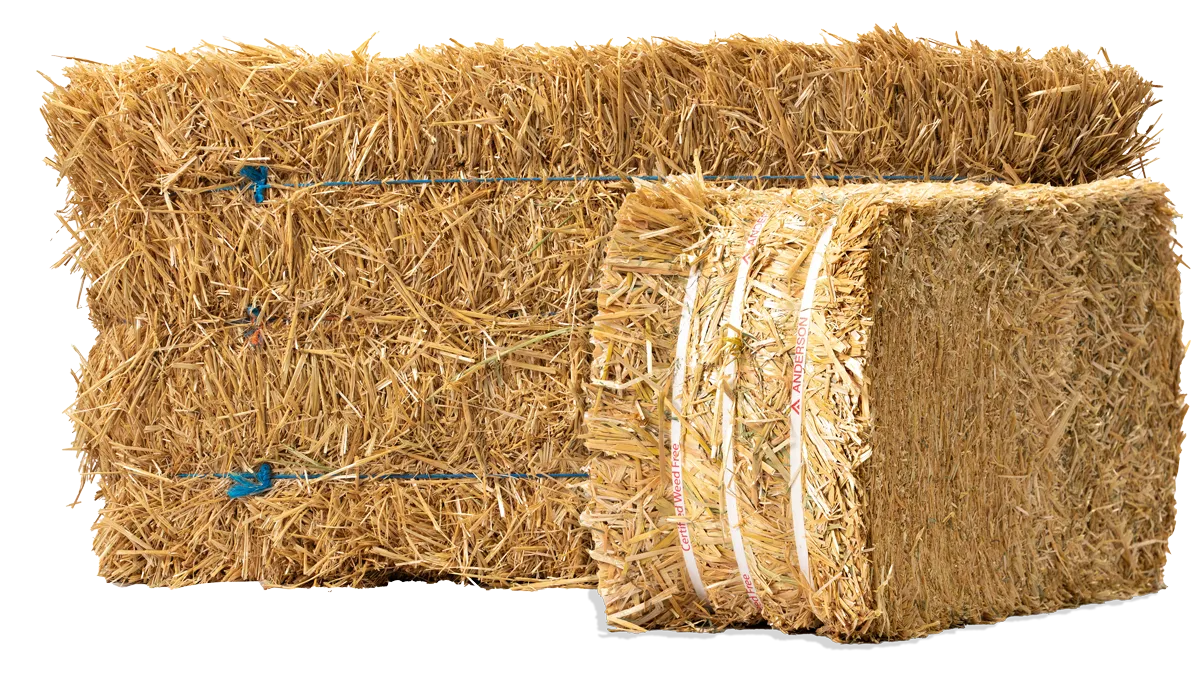
At Anderson Hay, our straw is certified weed free and clopyralid free, meaning it is produced and handled with those end uses in mind. Whether it is being used for livestock, bedding, or gardening, it is important that what goes into your soil is clean and consistent. When you are putting in the work to build your garden the right way, starting with straw you can trust helps ensure that every layer you add is working for you, not against you.
From Fall Prep to Spring Growth
If you read our fall gardening article, you already understand the value of covering and protecting your soil before winter. Spring is simply the next step in that process.
Fall is about protecting and preparing.
Spring is about building and growing.
Using straw in both seasons creates a system where your soil is never left exposed and is always improving. Over time, that leads to stronger plants, better yields, and less work trying to fix problems along the way.
A Better Way to Garden
Gardening does not have to be a constant cycle of fixing issues or starting over each season. With the right approach, and the right materials, you can work with your soil instead of against it.
Straw mulch is one of the simplest ways to do that. It protects, builds, and supports everything happening below the surface that your plants rely on every day. When you start with clean, high quality straw and use it consistently from fall through spring, you create a system that improves over time.
Find Participating Dealers Near You
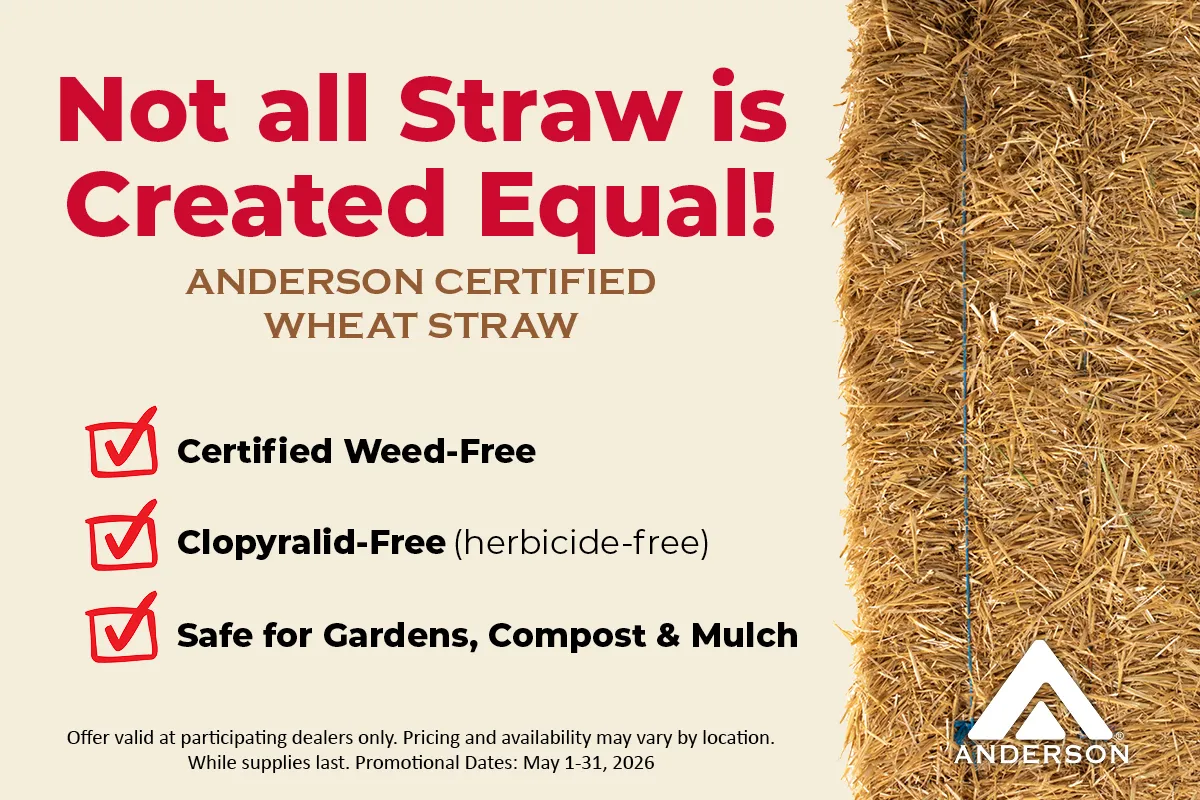
If you're ready to get started this spring, Anderson Hay certified wheat straw is available at select retailers across the country as part of our "Not All Straw Is Created Equal" promotion. Click below to visit a participating dealer near you to learn more and save all month long:
Alaska: Alaska Feed Company, Alaska Garden & Pet, Branded Feed & Tack, Kenai Feed, M Bar D Feed, PetZoo
Arkansas: Buchheit
Colorado: Murdoch's Ranch & Home Supply
Hawaii: Aloha Feed, Feed Trough
Idaho: North 40 Outfitters
Illinois: Buchheit
Kansas: Murdoch's Ranch & Home Supply
Kentucky: Buchheit
Missouri: Family Center Farm & Home, Buchheit
Montana: North 40 Outfitters, Murdoch's Ranch & Home Supply
Nebraska: Murdoch's Ranch & Home Supply
Oregon: Coastal Farm & Ranch
Texas: Murdoch's Ranch & Home Supply, Hay USA
Washington: Coastal Farm & Ranch, North 40 Outfitters
Wyoming: Murdoch's Ranch & Home Supply
Frequently Asked Questions about Using Straw in the Garden
Is straw good for gardening?
Yes, straw is an excellent mulch for gardening. It helps retain soil moisture, reduce weeds, regulate soil temperature, and improve soil health as it naturally breaks down over time.
What is straw mulch used for?
Straw mulch is used to cover soil in garden beds to protect it from drying out, prevent weed growth, reduce erosion, and support healthier plant growth throughout the season.
How thick should straw mulch be in a garden?
A layer of about 2 to 4 inches of straw mulch is typically ideal. This provides enough coverage to suppress weeds and retain moisture without restricting airflow around plants.
When should you apply straw mulch in the spring?
Straw mulch should be applied after the soil has warmed up and plants are established. Applying it too early can slow soil warming, but once temperatures rise, it helps maintain consistent growing conditions.
Can straw damage your garden?
Straw can damage your garden if it contains residual herbicides from the field where it was grown. These chemicals can affect sensitive plants, which is why it is important to use clean, certified straw.
What does certified straw mean?
Certified straw, such as weed free and clopyralid free straw, means it has been produced and handled to ensure it does not contain harmful weeds or herbicide residues, making it safe for gardening and mulching.
Is straw good for no-till gardening?
Yes, straw is commonly used in no-till gardening systems. It helps protect the soil, reduce disturbance, and add organic matter over time, which improves soil structure and long-term garden health.