Why clean, traceable wheat straw can protect your soil through fall, winter, and the next growing season.
A great summer garden does not begin when the first seedlings go into the ground. In many ways, it begins the fall before.
Once the final vegetables have been picked and the tired plants have been removed, it can be tempting to close the garden gate and forget about those beds until spring. The soil, however, is still exposed to winter rain, wind, erosion, weeds, compaction, and repeated freezing and thawing. Leaving it bare may make spring cleanup harder than it needs to be.
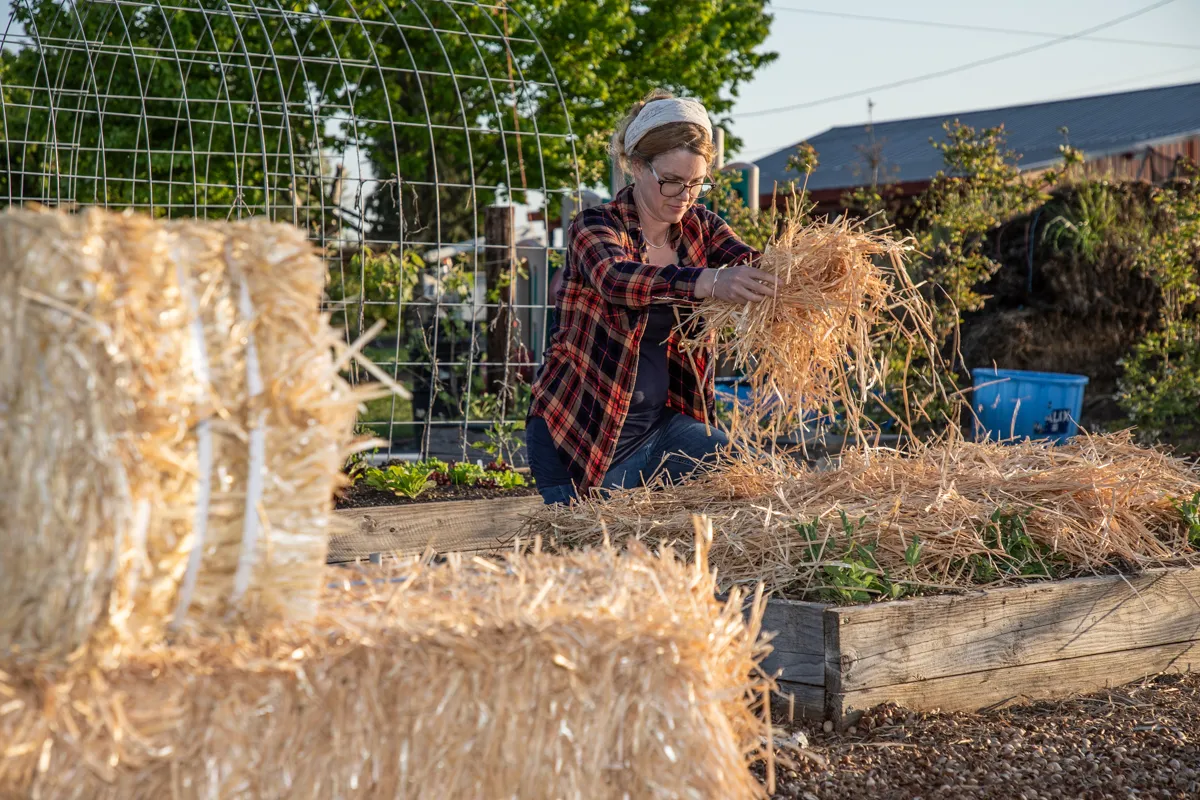
A layer of clean straw gives that soil protection while the garden rests. It can reduce evaporation and runoff, soften the impact of rain, limit weed growth, moderate soil temperatures, and gradually add organic material as it breaks down. Oregon State University Extension notes that mulch can improve water infiltration, reduce runoff and compaction, conserve soil moisture, and suppress weeds.
Fall and spring are really two parts of the same soil-building cycle. Fall is when we protect and prepare the ground for the months ahead. Spring is when we build on that foundation, return mulch around growing plants, and continue improving the soil through the active growing season. The straw placed on a garden bed now does not finish its job when winter ends. With a little seasonal adjustment, it can continue protecting that soil well into spring and summer.
Why Fall Is a Good Time to Mulch
Fall is often one of the easiest times to add mulch because garden beds are open and accessible. Annual crops have finished, spent plants can be removed, and weeds can be pulled before they drop more seed. The soil can also absorb fall rain or be watered before it is covered, allowing the straw to help hold that moisture in place.
Straw helps protect bare soil from the repeated impact of winter rain and reduces the movement of soil on slopes, around raised beds, and through garden pathways. It also limits the crusting and compaction that can occur when uncovered ground is exposed to wet weather for months at a time. Organic mulches such as straw can improve the soil's physical and biological properties as they decompose.
The work you do in fall also makes spring feel less like starting over. Instead of facing bare, compacted soil and a fresh flush of weeds, you begin with beds that have remained covered and protected through winter. The straw becomes the first layer in a longer cycle of protecting the ground, feeding it with organic material, and keeping the soil covered throughout the year.
Straw and Hay Are Not the Same Thing
The words hay and straw are sometimes used interchangeably, but they are different products.
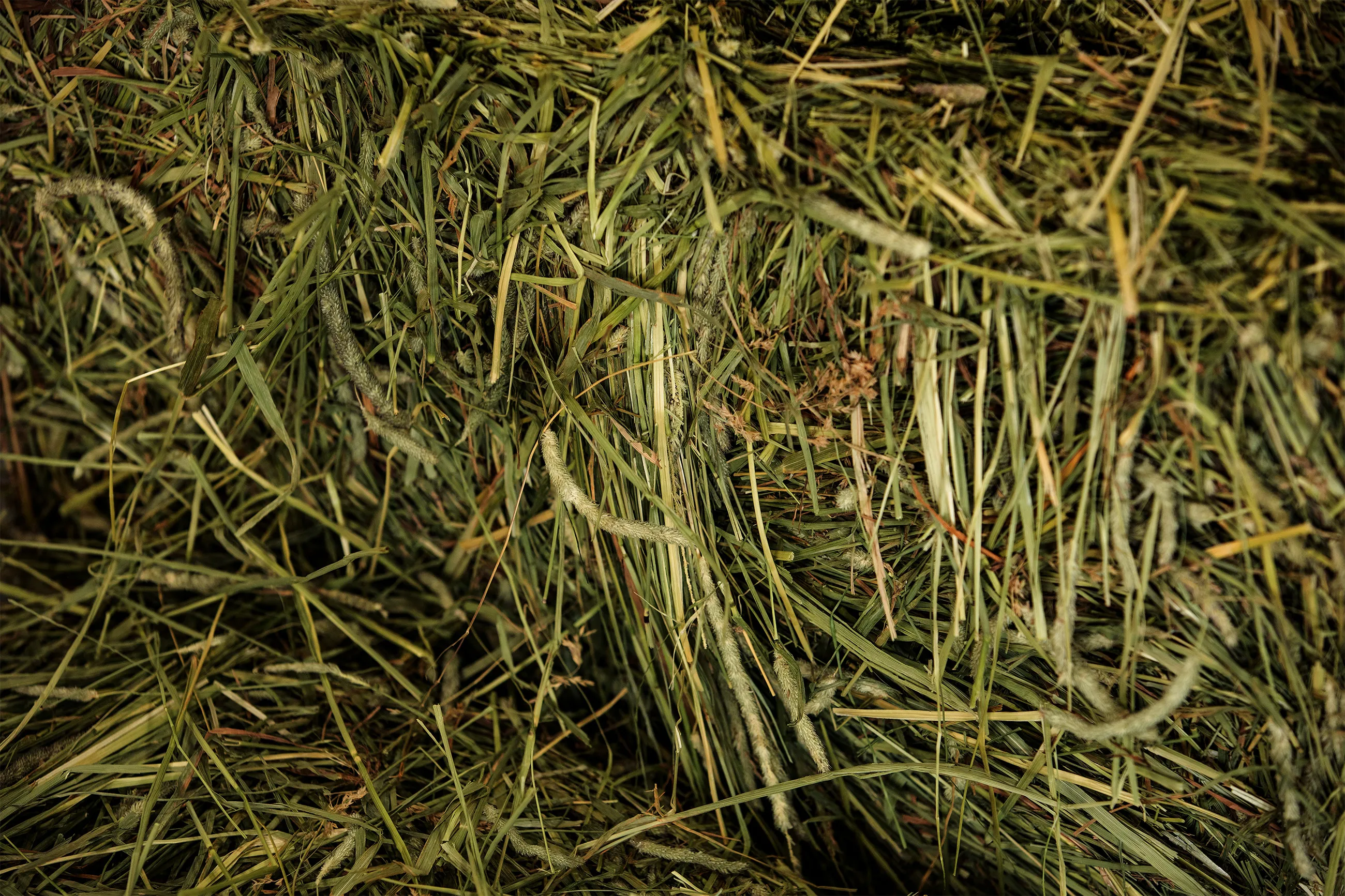
Hay is a forage crop harvested to provide nutrition for animals. It generally contains the leaves, stems, and sometimes seed heads of grasses or legumes. Straw is the dried stalk left after a grain crop such as wheat, barley, oats, or rye has been harvested for seed.
That distinction matters in a garden because hay is more likely to contain viable grass, forage, or weed seeds. Straw generally contains fewer seeds, but ordinary straw can still carry grain kernels, weed seeds, or other material from the field. University of Minnesota Extension recommends straw or hay for vegetable gardens only when the material is weed-free.
A few volunteer wheat plants may be easy enough to pull. Introducing a regulated noxious weed or spreading unwanted seed throughout a no-till bed, pasture, or landscape project can become a much larger problem. That is one reason knowing where the straw came from matters.
Clean Straw Is About More Than Weed Seeds
Weed seed is only one part of the conversation. Gardeners, homesteaders, and animal owners should also understand the potential for persistent herbicide residue to move through straw, hay, manure, and compost.
Most crop-protection products break down through normal biological activity and composting. A small group of persistent broadleaf herbicides, including clopyralid and aminopyralid, can behave differently. Washington State University Extension explains that these compounds can remain active in manure and compost and may injure sensitive crops such as tomatoes, peppers, potatoes, beans, and peas.
The herbicide may move through the animal after treated forage is eaten, remain present in manure and bedding, and continue causing problems after those materials have been composted. In a garden, the damage may appear as curled, cupped, twisted, or stunted new growth while grasses and other less-sensitive plants continue growing normally.
This does not mean every conventional straw bale is contaminated or unsuitable for gardening. Many growers produce clean, dependable straw. The challenge is that a bale's appearance cannot tell you its complete field history. Asking where the straw came from and how it was managed can be just as important as checking whether it looks bright and dry.

What Makes Anderson Certified Wheat Straw Different?
At Anderson Hay, Certified Wheat Straw is part of a documented program designed to provide more information and consistency than an unidentified bale can offer.
Anderson Certified Wheat Straw is certified noxious weed-free and tested to be clopyralid-free. The straw is also connected to our traceability system, allowing the product to be followed from its source through storage, processing, and distribution. It is available for applications that include bedding, mulching, erosion control, landscaping, and composting.
That wording is important. Certified noxious weed-free refers to standards designed around regulated weeds. Clopyralid-free testing addresses one of the persistent herbicides of particular concern to gardeners and compost users. It does not mean that a bale can solve every possible garden problem, but it removes two major uncertainties that are difficult to evaluate simply by looking at the straw.
For gardeners applying straw directly around sensitive vegetables, or animal owners planning to compost bedding and manure for future garden use, that additional information can provide meaningful peace of mind.
How to Use Straw in Fall Garden Beds
Begin by cleaning up diseased plant material and removing weeds before they drop additional seed. Healthy plant residue may be composted or left in place as part of a no-till system, depending on the crop and your management goals. If the soil is dry, water it before mulching so the straw helps preserve existing moisture rather than covering ground that is already powder dry.
A layer of approximately two to four inches of loose straw is a practical starting point for many garden beds. The straw will settle as it is exposed to rain, snow, and winter weather, so the finished layer will become thinner over time. University of Minnesota Extension recommends two to four inches of organic mulch to balance moisture retention and weed suppression with adequate soil aeration.
Keep straw a few inches away from plant crowns, woody stems, and tree trunks. Piling organic mulch directly against living stems can hold excessive moisture and create conditions that favor rot or pests.
Paths and heavily traveled areas may benefit from a deeper layer. Straw placed between raised beds can help reduce mud, protect the soil from repeated foot traffic, and make the garden more comfortable to work in during wet weather.
From Fall Protection to Spring Growth
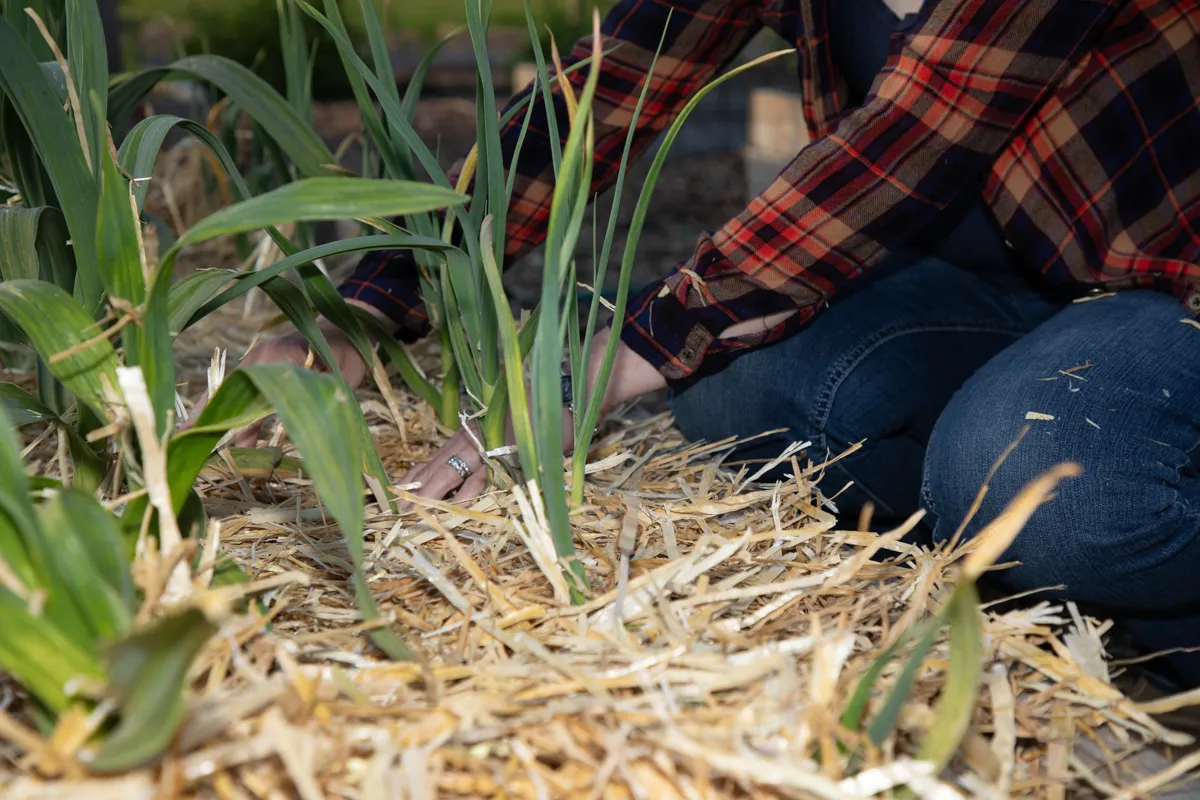
The straw you apply in fall does not need to be removed and discarded when winter ends. In early spring, pull the mulch back temporarily so sunlight can reach the soil and help it warm. This is especially important when direct seeding or growing heat-loving plants, because organic mulch can keep the soil cooler. Oregon State University recommends waiting until soils have warmed before applying organic mulch around crops such as peppers and eggplants.
Once seedlings are established and the soil has warmed, move the existing straw back around the plants or add a fresh layer where coverage has become thin. During fall and winter, the straw protects bare ground from rain, wind, erosion, and weed establishment. During spring and summer, it helps retain moisture, moderate soil temperatures, reduce weed pressure, limit soil splash, and gradually return organic material to the bed as it breaks down.
We explore that next stage in Not All Straw Is Created Equal: Spring Mulching for a Healthier Garden. Together, the two articles provide a year-round approach: protect and prepare the soil in fall, then build and grow through spring and summer. The spring article also explains how keeping soil covered can support long-term structure, moisture management, and healthier plants.
For direct-seeded crops, clear a narrow planting row rather than expecting small seedlings to push through a thick mulch layer. Once the plants are growing well, bring the straw back around them while leaving some space around the stems. This keeps the soil covered without smothering young growth.
Can Straw Mulch Become Too Thick?
More is not always better. A very deep or tightly matted layer can slow water movement, delay spring soil warming, make direct seeding difficult, and provide shelter for slugs, rodents, or other pests. Thick mulch placed directly against plant crowns can also hold too much moisture where the plant meets the soil.
Check the beds occasionally rather than applying the straw once and forgetting about it. Fluff compacted areas, move mulch away from stems, and thin the layer if the soil remains overly wet. In rainy climates, monitor for slugs and other pests that enjoy the cool shelter organic mulch can provide. Oregon State University advises gardeners to watch mulched areas for slugs and notes that organic mulch may need to be delayed until the soil has warmed around heat-loving crops.
The amount of straw needed may also change with the season. A deeper protective layer may work well across an empty winter bed, while established spring vegetables usually need a lighter, more carefully placed layer around the plants. The goal is not to apply one thickness and leave it untouched all year. It is to adjust the mulch as the garden moves from winter protection into active growth.
Beyond the Vegetable Garden
Certified wheat straw can be useful in more places than an annual vegetable bed.
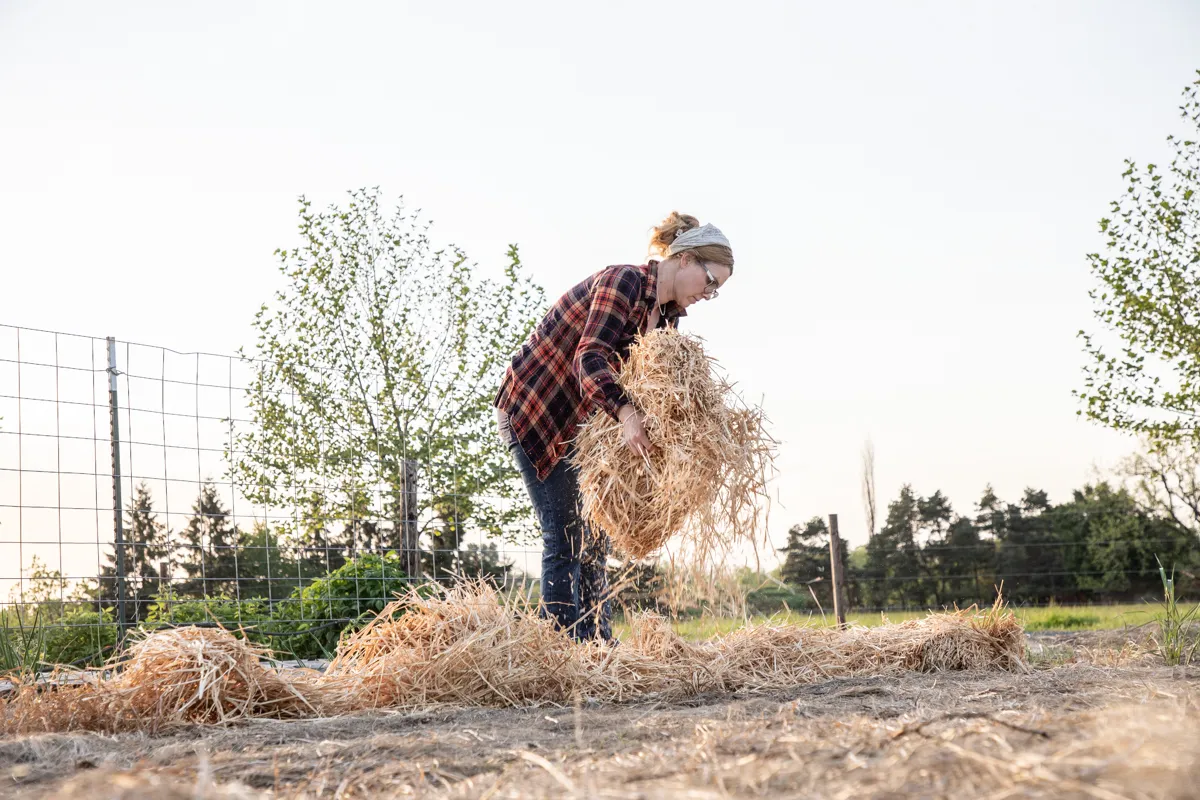
It can help cover pathways, protect newly disturbed soil, reduce erosion around landscaping projects, provide winter protection for some perennial crops, and keep produce cleaner by separating it from bare ground. Straw is also used in lawn establishment because it helps hold moisture and protects newly applied seed and soil from washing away.
Animal owners may use clean straw as bedding. When bedding and manure are eventually composted, knowing the source becomes especially important because persistent herbicides can move through animals and remain active in compost. Using straw tested clopyralid-free gives gardeners greater confidence when finished compost is returned to beds containing sensitive crops.
Straw bales can even serve as temporary raised gardens when they are properly conditioned before planting. Oregon State University recommends allowing fresh bales to heat and begin decomposing for approximately 10 to 14 days before planting directly into them.
Build Better Soil Through Every Season
Gardening does not need to be a cycle of uncovering bare soil, starting over, and repairing the same problems every year. A healthier approach is to keep the ground protected and continue building on the work already done.
Fall is when straw helps prepare and protect the garden. It covers exposed soil, reduces erosion, limits weed establishment, and creates a buffer against winter weather. When spring arrives, that same layer can be pulled back for warming and planting, then returned around established crops to conserve moisture, suppress weeds, and support the soil through the growing season.
That year-round connection is what makes clean straw more than a temporary garden covering. It becomes part of a system that protects soil in fall, supports growth in spring, and gradually returns organic material to the garden over time. For the next step in that cycle, read Not All Straw Is Created Equal: Spring Mulching for a Healthier Garden.
The material we add to our soil matters. Certified noxious weed-free straw, clopyralid-free testing, and product traceability help remove some of the uncertainty so gardeners can focus on building healthy soil season after season.
A better summer garden really can begin in the fall. Protect the soil now, continue that work when spring returns, and give every new crop a stronger place to grow.
Research and Further Reading
- Not All Straw Is Created Equal: Spring Mulching for a Healthier Garden, Anderson Journal
- Conserving Water in Your Yard and Garden, Oregon State University Extension
- Mulching for Soil and Garden Health, University of Minnesota Extension
- Mulching 101: The Secret to a Healthy and Happy Garden, University of Minnesota Extension
- Fertilizing With Manure and Other Organic Amendments, Washington State University Extension
- Backyard Composting, Washington State University Extension
- Vegetable Gardening in Oregon, Oregon State University Extension
- Straw Bales Offer a Flexible, Accessible Way to Grow Vegetables and Herbs, Oregon State University Extension
- Different Types of Hay and What Animals They Are Best Suited For, Anderson Journal
Find Anderson Certified Straw Near You
Click here to find a retailer near you and bring home certified, clean, safe straw for your garden, homestead, or landscape project.
Frequently Asked Questions About Certified Straw and Garden Mulch
What is certified straw?
Certified straw has been inspected under an approved certification program for regulated noxious weeds. This provides greater confidence that the bale will not introduce certain invasive weeds into gardens, pastures, landscapes, or other areas where the straw is used. Certification does not mean the straw is guaranteed to contain no plant material or grain seed at all, but it addresses the noxious weeds covered by the program.
What is the difference between hay and straw?
Hay is a forage crop harvested to feed animals and usually contains leaves, stems, and sometimes seed heads from grasses or legumes. Straw is the dried stalk left after a grain crop, such as wheat, has been harvested for seed. Because hay is grown as a forage crop, it is generally more likely to contain viable grass, forage, or weed seeds than clean straw.
Is straw a good mulch for vegetable gardens?
Yes. Clean straw can help protect bare soil, retain moisture, reduce runoff, suppress many annual weeds, limit soil splash, and gradually add organic material as it breaks down. The source of the straw matters, particularly when it will be used around sensitive vegetables or added to compost.
Why does Anderson test Certified Wheat Straw for clopyralid?
Clopyralid is a persistent broadleaf herbicide that can remain active in straw, manure, and compost. Even small amounts may injure sensitive plants such as tomatoes, peppers, potatoes, beans, and peas. Anderson Certified Wheat Straw is tested to be clopyralid-free, helping remove an important uncertainty for gardeners, homesteaders, and animal owners who plan to compost used bedding.
Can ordinary straw introduce weeds into a garden?
It can. Straw generally contains fewer seeds than hay, but ordinary straw may still include grain kernels, weed seeds, or other field material. Certified noxious weed-free straw gives gardeners greater confidence that regulated noxious weeds are not being introduced with the mulch.
How thick should straw mulch be in the fall?
A loose layer approximately two to four inches deep is a practical starting point for many garden beds. The straw will settle during fall and winter, so the final layer will become thinner over time. Paths and heavily traveled areas may benefit from a somewhat deeper layer, while straw should be kept a few inches away from plant crowns, woody stems, and tree trunks.
Should straw mulch be removed in the spring?
It usually does not need to be removed completely. Pull the straw back temporarily so sunlight can warm the soil and so seeds or transplants can be placed into clear soil. Once the ground has warmed and the plants are established, the existing straw can be moved back around them or supplemented with a fresh layer where needed.
Can straw mulch become too thick?
Yes. An overly deep or tightly matted layer can delay spring soil warming, interfere with direct seeding, slow water movement, and provide shelter for slugs or rodents. Check the mulch periodically, loosen compacted areas, and thin the layer when the soil stays overly wet or seedlings are struggling to emerge.
Does straw mulch improve garden soil?
Straw adds organic material as it gradually breaks down and can help protect the soil structure in the meantime. It should not be treated as a complete fertilizer, but keeping soil covered can reduce erosion, conserve moisture, limit compaction, and support a healthier soil environment over time.
Can Certified Wheat Straw be used as animal bedding?
Yes. Clean wheat straw can be used as bedding for many animals. Knowing the source is especially important when the used bedding and manure will later be composted for garden use. Straw tested clopyralid-free gives gardeners greater confidence when that finished compost is eventually returned to beds containing sensitive crops.
Can straw be used in garden pathways and around raised beds?
Yes. Straw can reduce mud, limit weed growth, protect soil from repeated foot traffic, and make paths more comfortable to use during wet weather. Pathways may need a deeper layer than planted beds, and additional straw can be added as the material settles and decomposes.
How do fall and spring straw mulching work together?
Fall mulching protects bare soil through rain, wind, erosion, and winter weed growth. In spring, that same straw can be pulled back for warming and planting, then returned around established plants to conserve moisture, suppress weeds, and reduce soil splash. Together, fall and spring mulching create a year-round approach to keeping soil protected and gradually building organic material.
For more information about the growing-season side of that cycle, read Not All Straw Is Created Equal: Spring Mulching for a Healthier Garden.