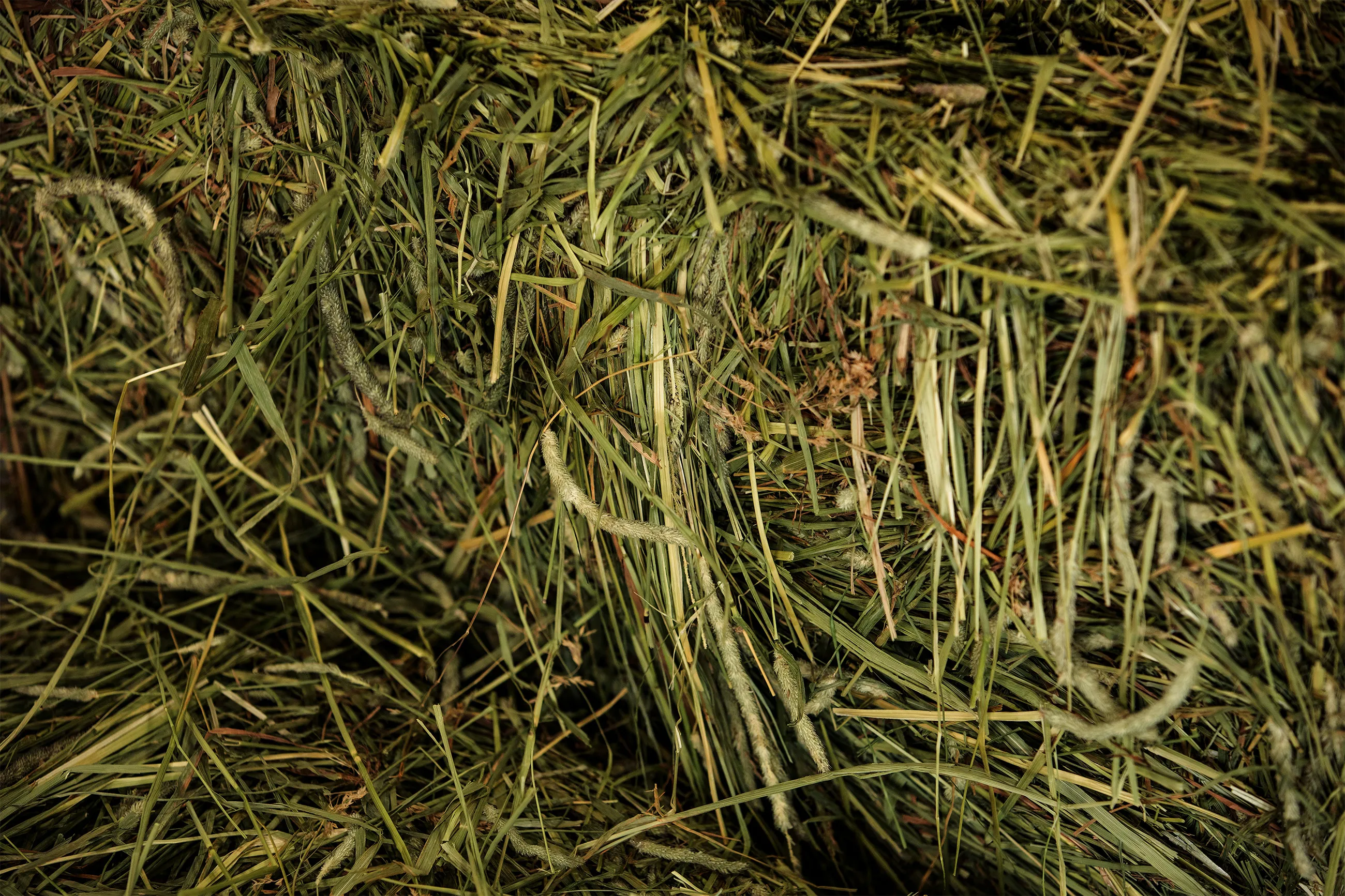

If you own a horse with metabolic challenges, you’ve probably heard a wide range of advice about what hay you “should” feed.
And while those conversations usually start in a good place, they often miss the most important factor of all: You cannot manage what you do not measure.
At Anderson Hay, one of the most common questions we receive is:
“I have a horse with metabolic issues that needs low-sugar hay. Should I feed teff or orchard grass? My vet recommended (insert hay here).”
It’s a great question. And the real answer is more nuanced than simply naming a forage species.
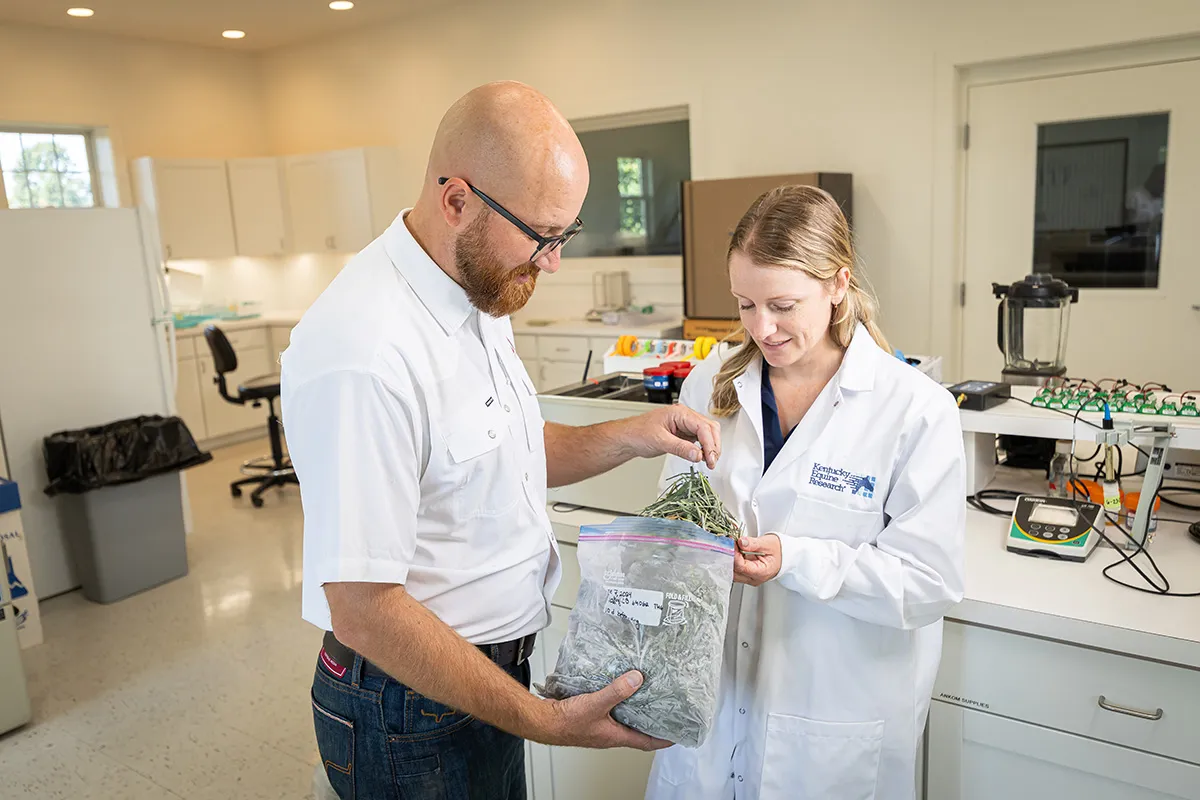
Working closely with Kentucky Equine Research, one of the world’s leading equine nutrition research organizations, we approach this topic from a research-driven, horse-first perspective: Hay testing and consistency matter just as much as forage type.
Start With Testing, Not Assumptions
Different forage species tend to have different average nonstructural carbohydrate (NSC) ranges. That’s why veterinarians and nutritionists may suggest Orchard Grass, Teff, or Timothy as potential options.
But Averages are Not Guarantees.
According to Ashley Fowler,Ph.D., of Kentucky Equine Research:
“Research shows NSC concentrations are affected by many factors, including the species and cultivar of the grass,maturity at harvest, time of day the hay was cut (morning vs. evening),management of the hay field (e.g., fertilization practices), and weather surrounding harvest and baling. Rather than focusing on hay species alone, the most reliable way to manage NSC intake is to verify NSC concentration through testing.”
Two bales of the same species can test very differently.
This is why Kentucky Equine Research nutritionists strongly encourage hay testing for all horses, and especiallyf or horses with metabolic challenges.
Without a forage analysis,even well-intentioned feeding decisions become educated guesses.
What NSC Levels Are Typically Recommended?
For many metabolic horses, the nutritionists generally aim for forage under 12 percent NSC.Some programs may target closer to 10 percent, depending on the individual horse.
Kathleen Crandell, Ph.D., nutritionist at Kentucky Equine Research, explains:
“For metabolic horses, I like to make sure the forage is under 12% NSC. Some nutritionists might go as low as 10%, but I feel there is little difference between 10% and 12% because forages have slow consumption rates. When horses eat a feed stuff over time, not as much sugar enters the bloodstream in one fell swoop.”
The key takeaway is not that one number fits every horse, but that knowing your hay’s NSC level allows informed decisions.
Crandell adds:
“I am overjoyed when a horse owner has a hay analysis. If I have a forage analysis, then I can really nail down the nutrient levels in the diet. Imagine baking a cake by estimating the ingredients and their amounts versus using an exact recipe. Chances are,the cake will turn out fine with estimated amounts, but the exact recipe will likely yield superior results.”
Why Anderson Encourages the Use of Tested Timothy Hay for Many Metabolic Horses
Teff hay is often promoted as a go-to forage for metabolic horses because it frequently tests low in NSC.In the right conditions, good-quality Teff hay can be an excellent option.
However, Teff grass is also difficult to grow and harvest correctly. If harvested under stressful conditions or at the wrong stage of growth, Teff hay can be high in nitrates.Elevated nitrate levels have been associated with health issues.
Because of this risk,relying on untested Teff hay simply because it is “supposed to be low in sugar”can create unintended problems.
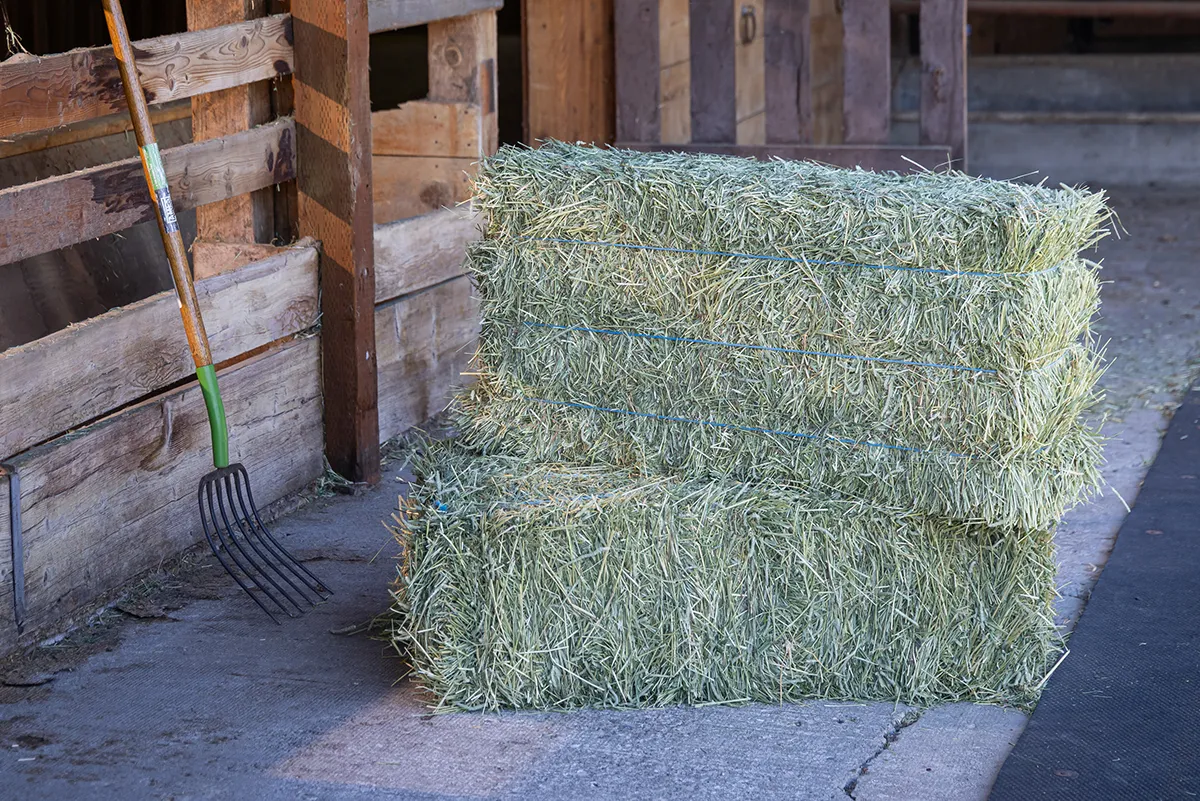
At Anderson Hay, we often help customers find timothy hay that tests low in NSC using the same testing and traceability systems discussed in our traceability article. When Timothy is harvested at the correct maturity and handled properly, it can test in excellent ranges for many metabolic horses while offering additional advantages.
Timothy hay supports gut health because its excellent palatability encourages consistent intake patterns across many classes of horses.
Rather than recommending a single species for every horse, our approach mirrors Kentucky Equine Research’s philosophy: Test the hay first, then make the best choice based on what is available and verified.
How Anderson’s Traceability Program Helps Metabolic Horses
One of the biggest challenges horse owners face is obtaining a nutritional analysis for the exact hay they purchased.
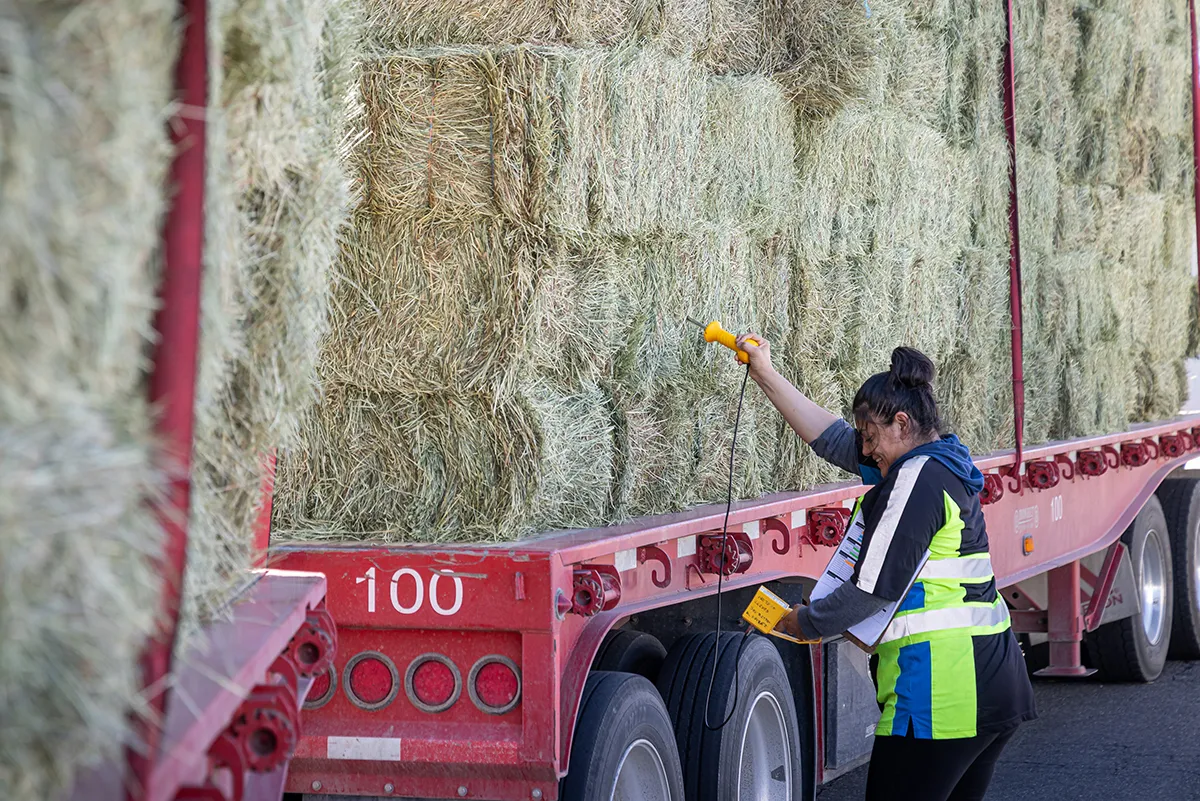
Because Anderson tests and tracks every stack of hay, we are often able to provide customers with the nutritional analysis tied to their specific purchase when questions arise. This saves time, removes guesswork, and allows horse owners to work with veterinarians or nutritionists using real data.
Kentucky Equine Research nutritionist Catherine Whitehouse, M.S., explains:
“Hay testing is always a good management tool, especially when caring for a horse with special nutritional needs. When hay analysis is available prior to purchase, horse owners can work with an equine nutritionist, feed specialist, or university extension specialist to understand the results and receive assistance ins electing the right type of hay.”
Consistency Is as Important as NSC
NSC is a critical piece of the puzzle, but it is not the only factor that influences how a horse responds to its diet.
Large swings in forage quality from load to load or bale to bale can lead to changes in body condition, digestive upset, fluctuations in energy, and difficulty stabilizing horses with metabolic challenges. Even when NSC is technically within an acceptable range, inconsistency in fiber quality, maturity, and palatability can make it harder for owners and nutritionists to fine-tune a ration.
This is why Anderson places such a strong emphasis on consistency. Our goal is not simply to provide hay that tests low once, but to provide hay that remains predictable over time.When forage is consistent, it becomes much easier to evaluate how a horse is responding, make thoughtful adjustments, and avoid constantly chasing problems that stem from variation in hay.
For many customers, moving to a consistent, tested forage program has allowed them to rely less on high amounts of grain, improve body condition, and achieve more stable metabolic management.
A Practical Takeaway for Horse Owners
If you have a horse with metabolic issues, start by obtaining a forage analysis whenever possible. Work with your veterinarian or nutritionist using actual numbers, not assumptions.Choose hay based on tested results rather than species name alone, and place a high value on consistency and quality.
There will be times when Orchard grass, Teff, or Timothy are all appropriate options, provided they test within suitable NSC ranges. The most important factor is not what the hay is called, but what it contains.
The best hay is not defined by its label.
The best hay is defined by its analysis.
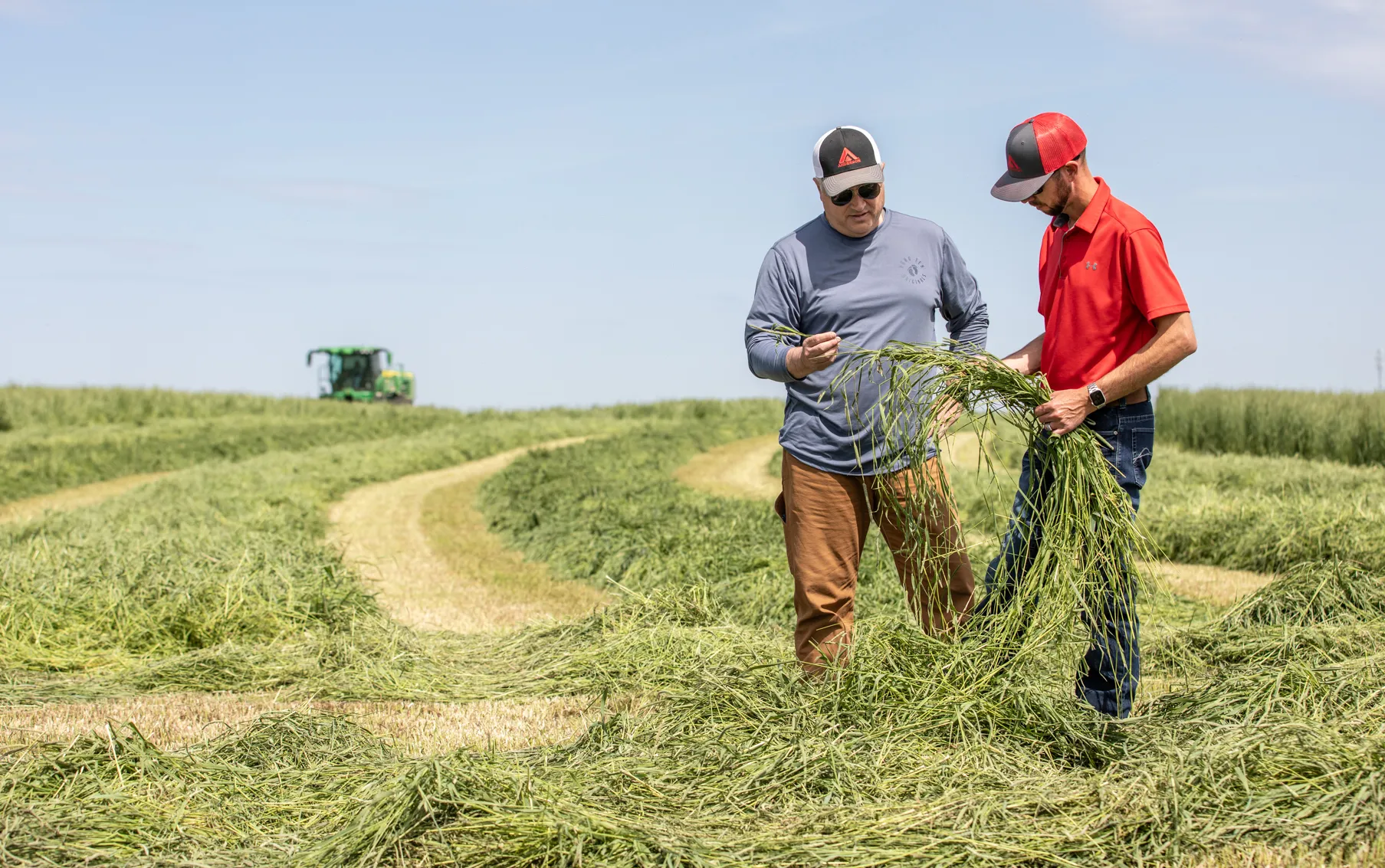
Our Commitment
At Anderson Hay, we believe every horse deserves access to safe, clean, consistent forage. Whether you own one backyard horse or manage a large program, our mission is the same:to provide hay that horse owners can trust.
We work closely with growers, test every stack, document every step, and stand behind the forage we sell because we know that hay forms the foundation of nearly every equine diet.
This is the same commitment that has led Kentucky Equine Research to trust Anderson Premium Timothy Hay as its official research forage, and it is the same commitment we extend to every customer who feeds Anderson hay.
Find Anderson Hay Near You
Looking for tested,consistent hay you can trust?
Find Anderson Hay near you and experience the difference.