Understanding How Anderson Delivers Quality in Every Bale
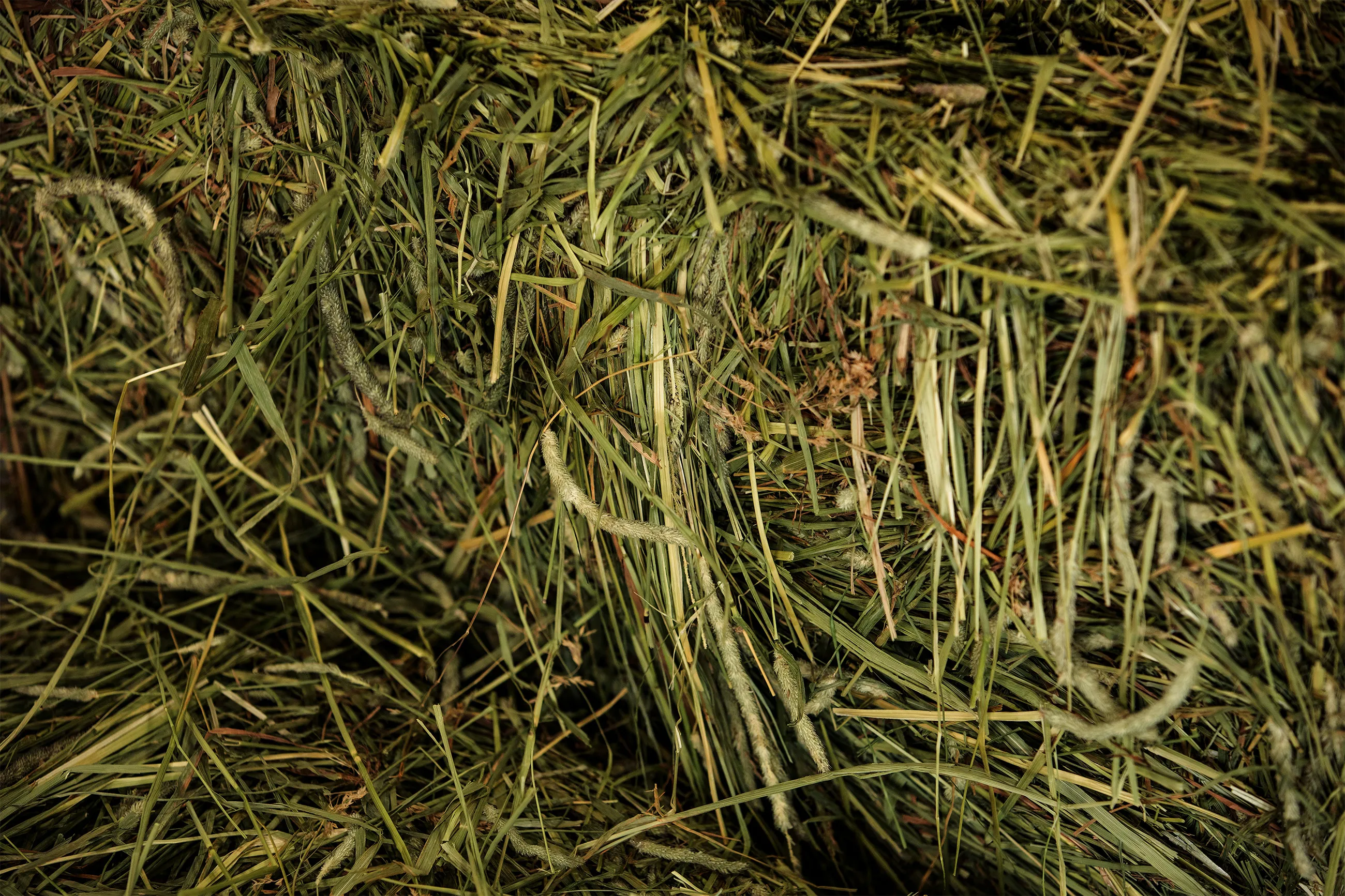
When it comes to hay, horse owners often wonder whether compressed bales are as good as traditional 3-tie bales. At Anderson Hay, the answer is simple: quality starts in the field, not in the packaging. Both our compressed and traditional 3-tie bales begin with the same premium hay, carefully grown, harvested, and handled to preserve nutrition, cleanliness, and consistency.
Quality Starts in the Field
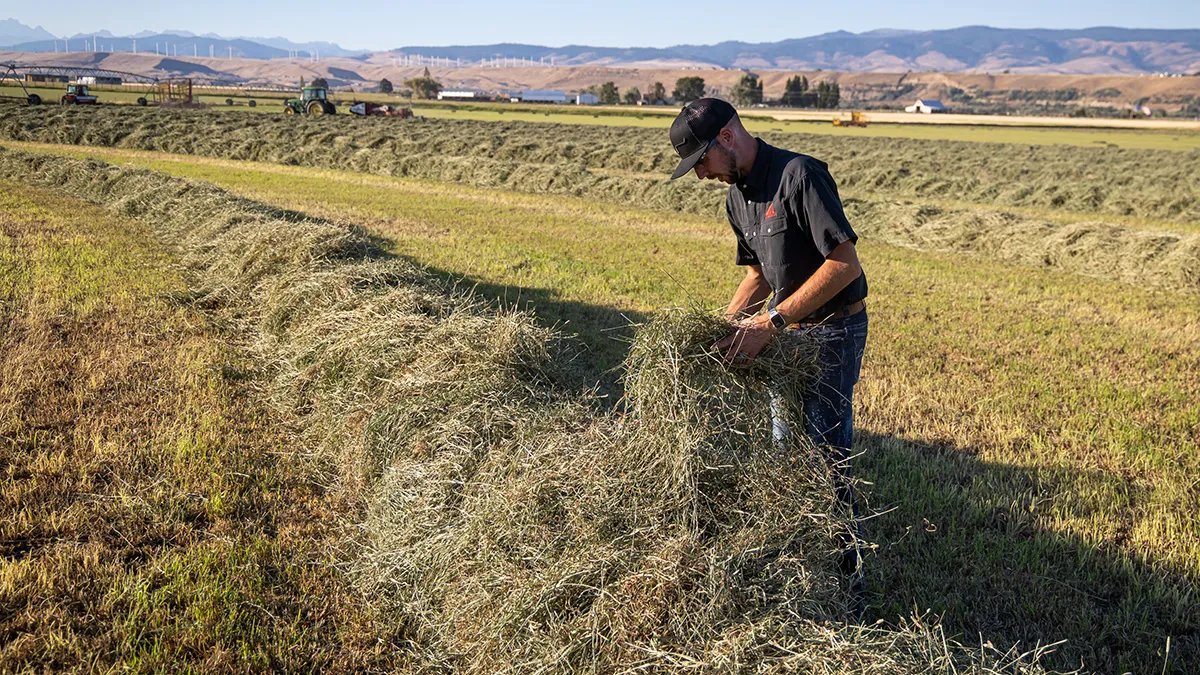
Every great bale begins long before it's pressed or packaged. Our dedicated growers, together with Anderson's Agri-Division, monitor each crop from planting through harvest. By cutting and baling at the ideal moisture level, we preserve leaf retention and reduce dust naturally, without additives or shortcuts. The result is hay that holds its natural color, aroma, and nutrition from start to finish.
What Makes Anderson Compressed Hay Different
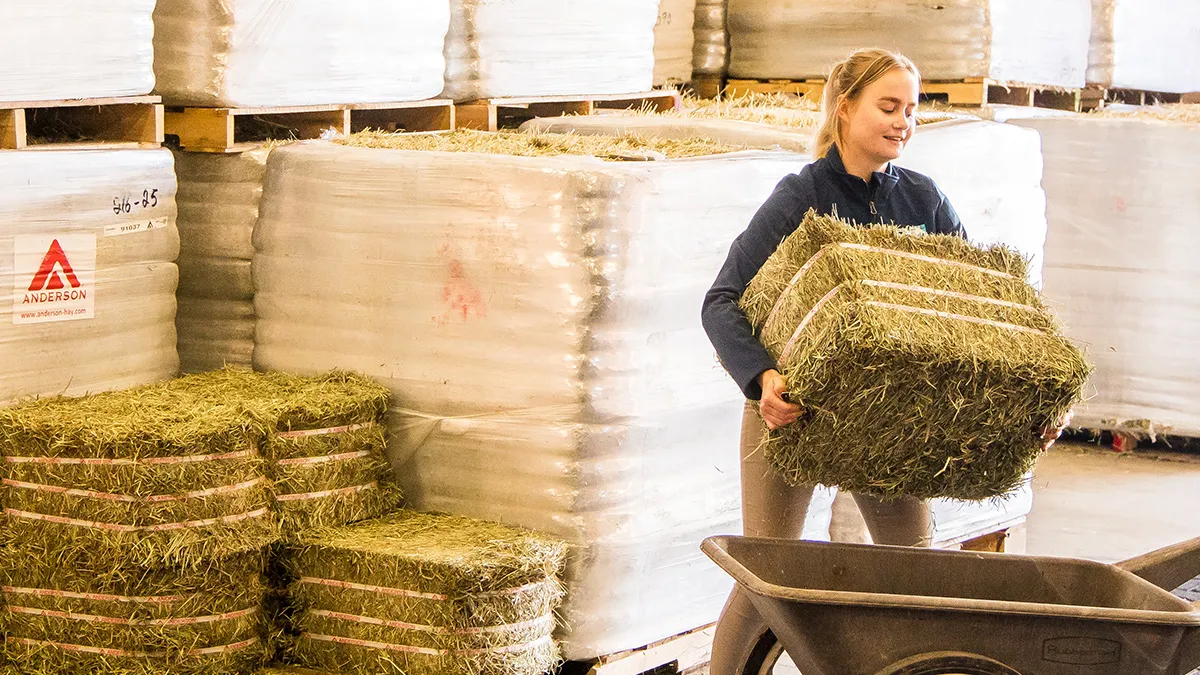
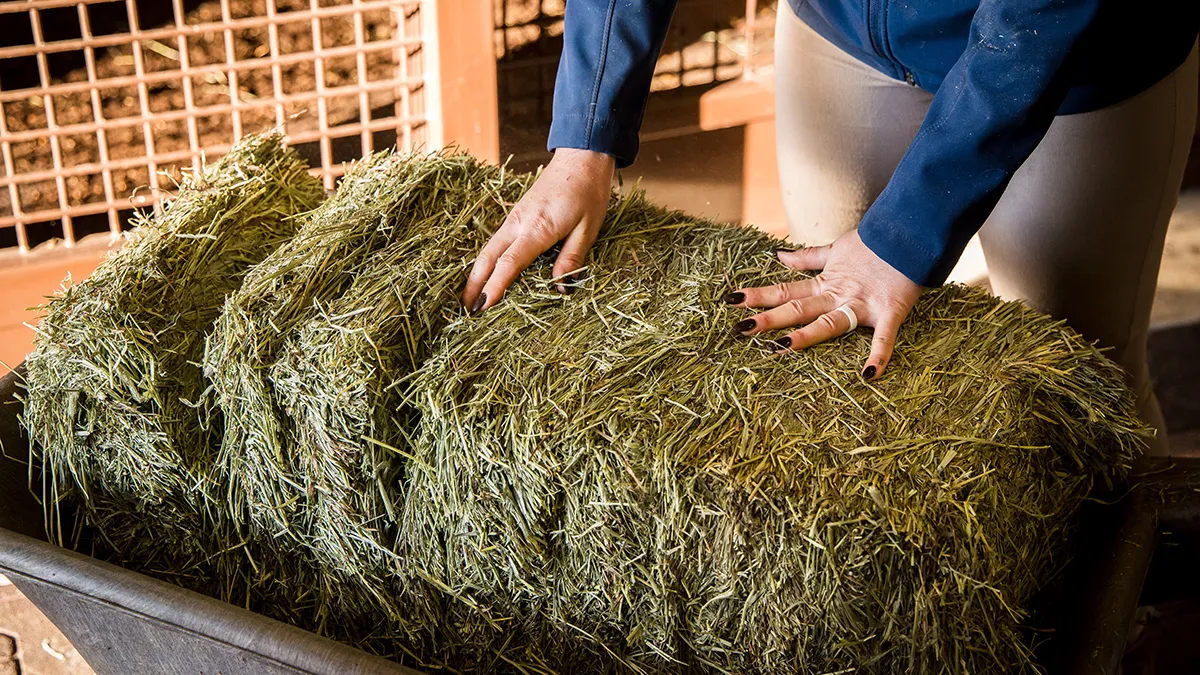
Anderson's compressed hay bales are made from high-quality field bales, many of them 3-tie bales, that are carefully re-pressed to reduce size for easier handling, transport, and storage. Because we start with clean, premium hay and maintain tight control of the compression process, the result is a uniform, easy-to-flake bale that saves space without sacrificing nutrition or fiber length.
Each bale is weighed, tested, and packaged under controlled conditions, so what arrives in the store is exactly what left our facility: clean, consistent, and ready to feed.
How 3-Tie Bales Compare
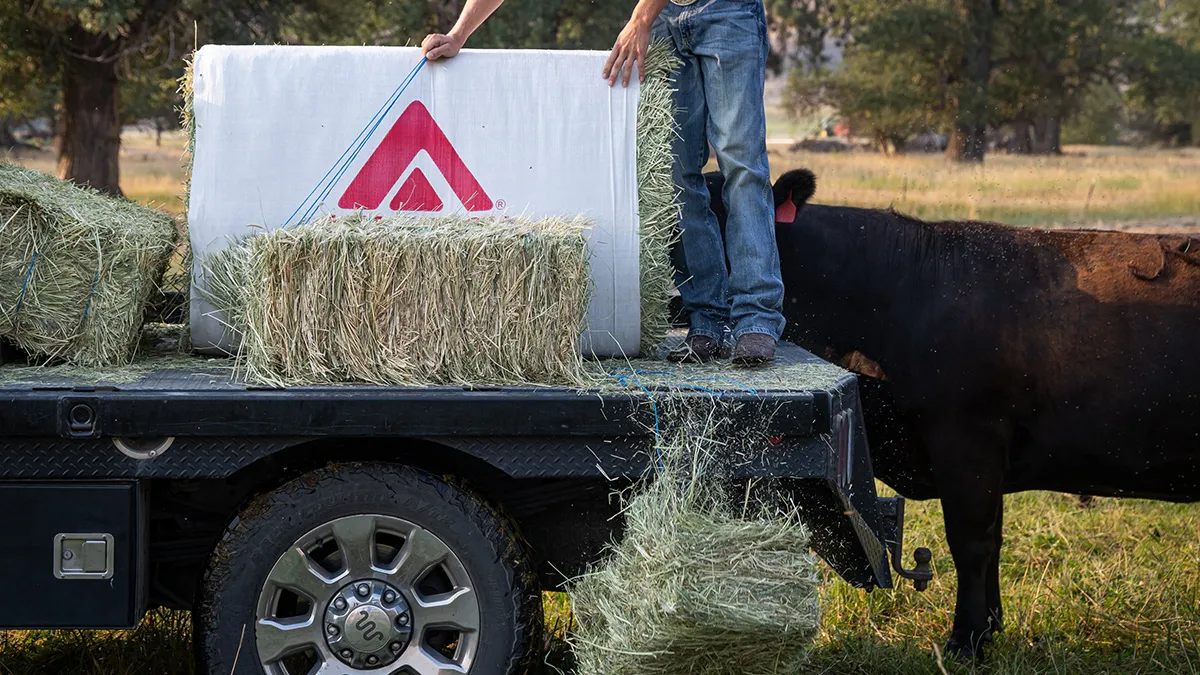
Traditional 3-tie field bales remain a favorite for many customers who prefer the classic full-size format. These bales are produced directly from the field, offering long-stem fiber and familiar handling. In many cases, our compressed hay is made directly from these same bales, meaning customers are getting the same great product in a more compact form.
That's why you'll notice Anderson hay flakes easily and holds together well, a hallmark of hay made from 3-tie bales. The difference can often be seen on the sides: hay produced from 3-tie bales typically shows longer stems, fewer cut ends, and clean, uniform flakes.
Clean, Consistent, and Controlled
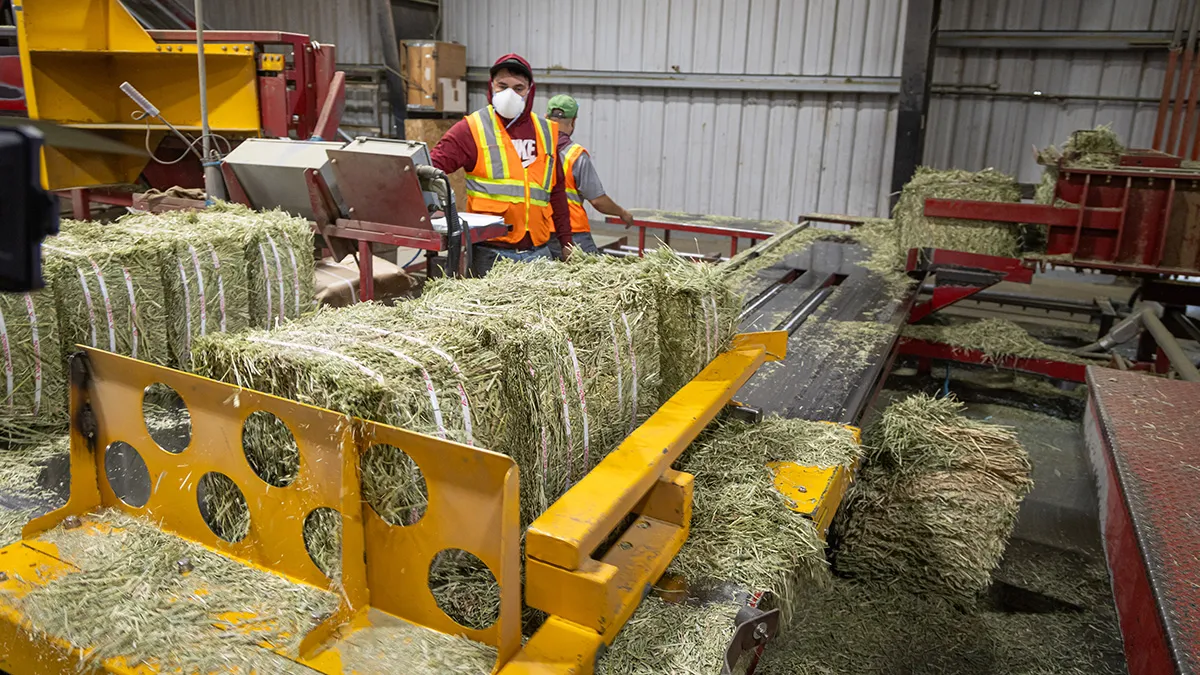
Anderson's advantage lies in control. We oversee every step, from growing and testing to pressing and packaging, to ensure each bale meets the same high standard. Our traceability program allows every load to be tracked from field to feed, so customers always know exactly what they're feeding their animals.
Because of this attention to detail, Anderson compressed bales maintain the same nutritional integrity and cleanliness as our traditional 3-tie field bales, only in a more convenient, space saving form.
Less Waste, More Value
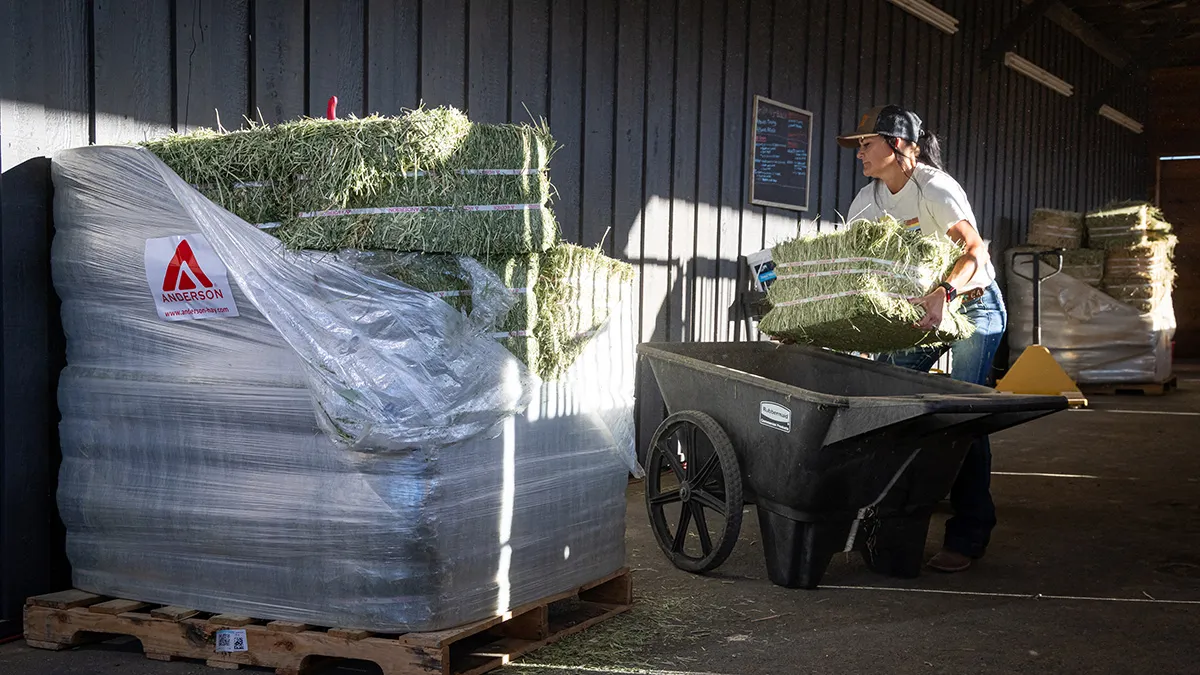
One of the biggest benefits of compressed hay is reduced waste. The denser packaging allows customers to handle smaller, easier to manage bales while feeding precise amounts. That means less mess, less shrink, and more value in every pound. The flake-ability and consistency make them ideal for both barns and travel.
The Real Takeaway – Start with Good Hay
At the end of the day, great hay comes from great fields, not from a machine. Anderson's focus has always been on growing, testing, and packaging premium forage the right way. Whether you choose compressed or traditional 3-tie bales, you're getting the same dedication to quality that's made Anderson Hay a trusted name for over 60 years.
Find Anderson Hay Near You
Looking for premium hay for your horses or livestock? Visit our website to find Anderson Hay near you and experience the difference for yourself.